
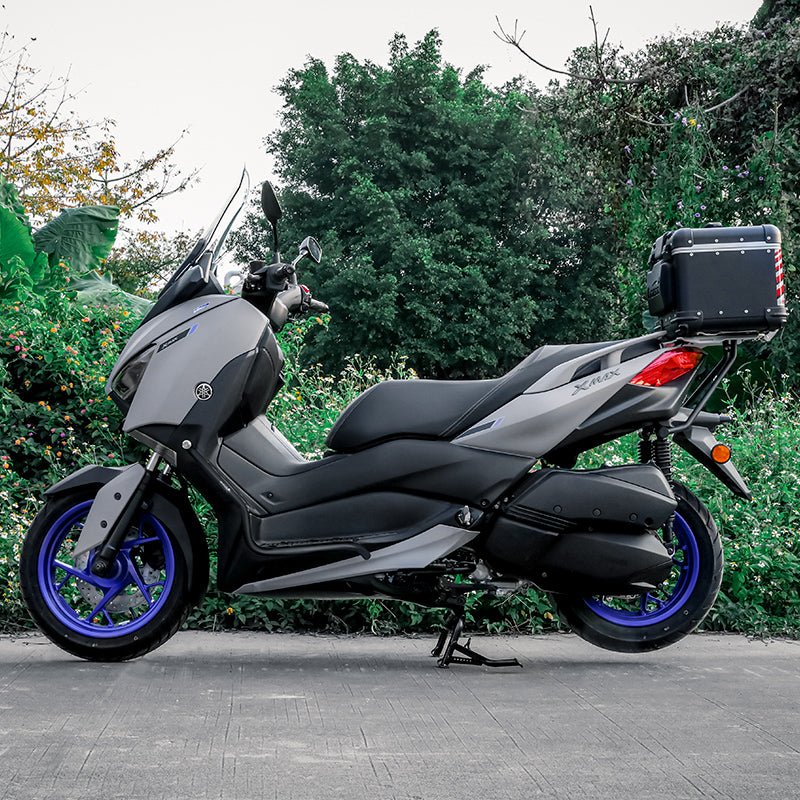
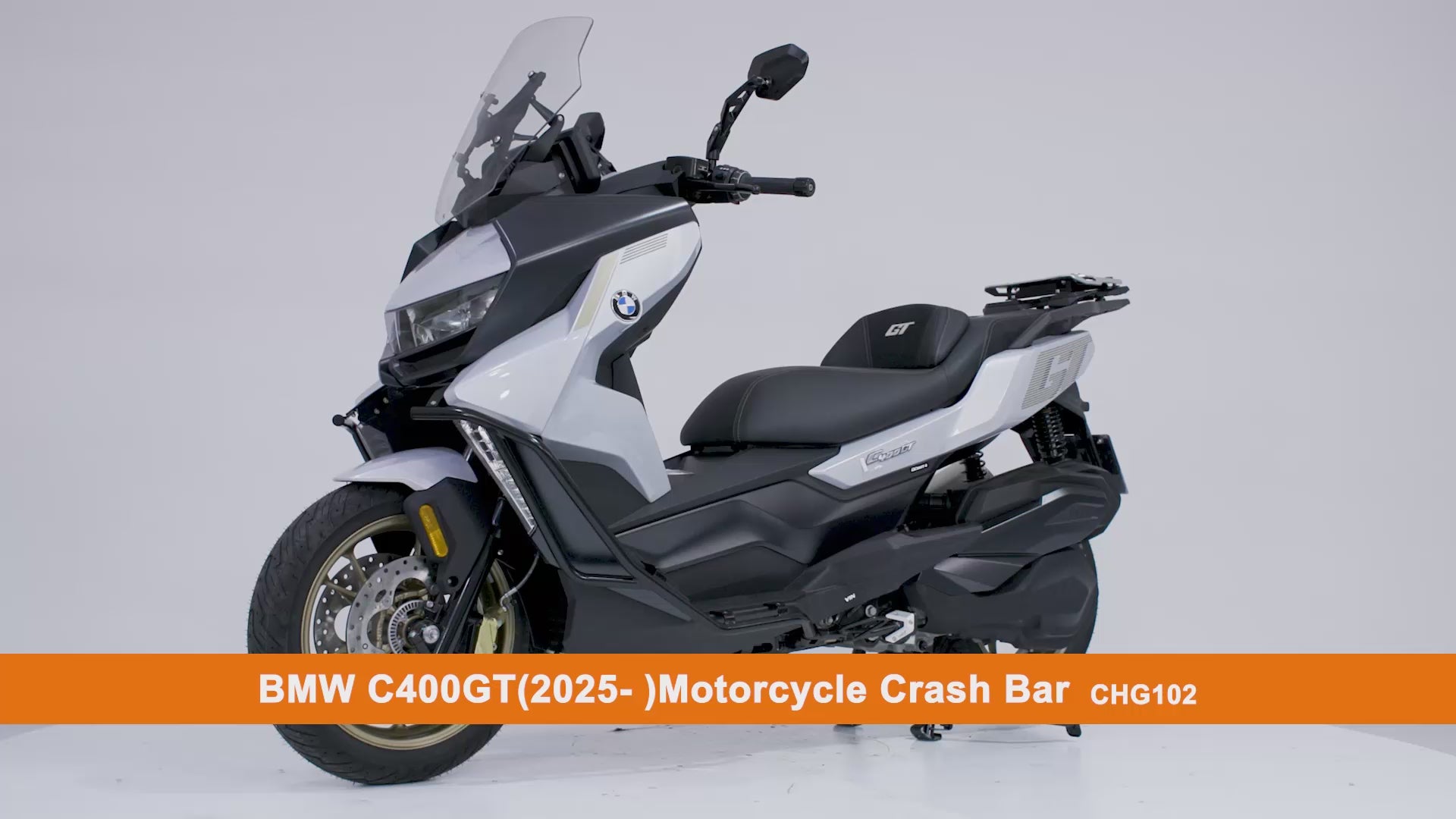



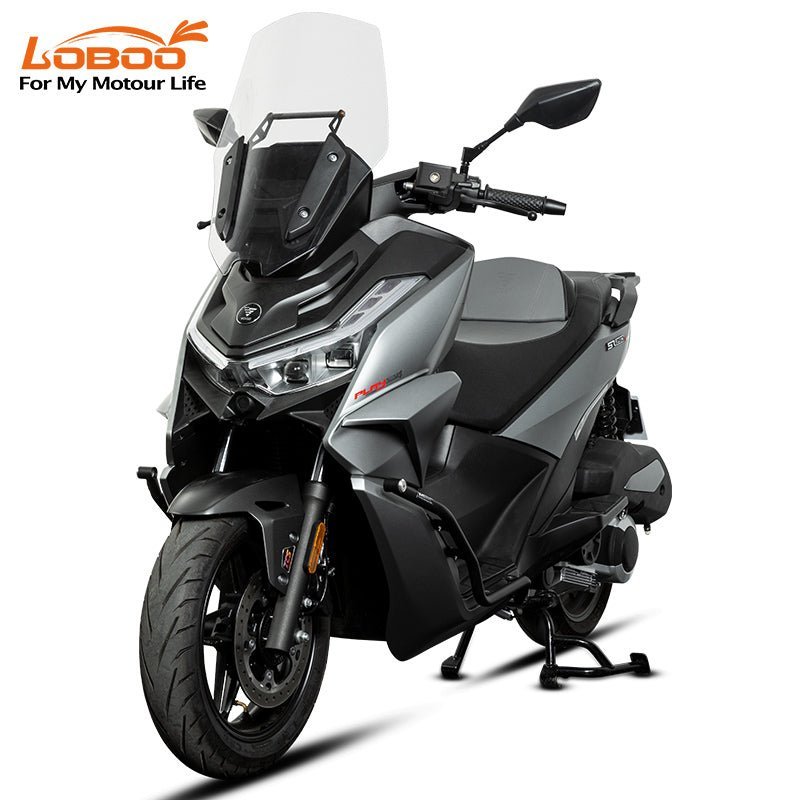

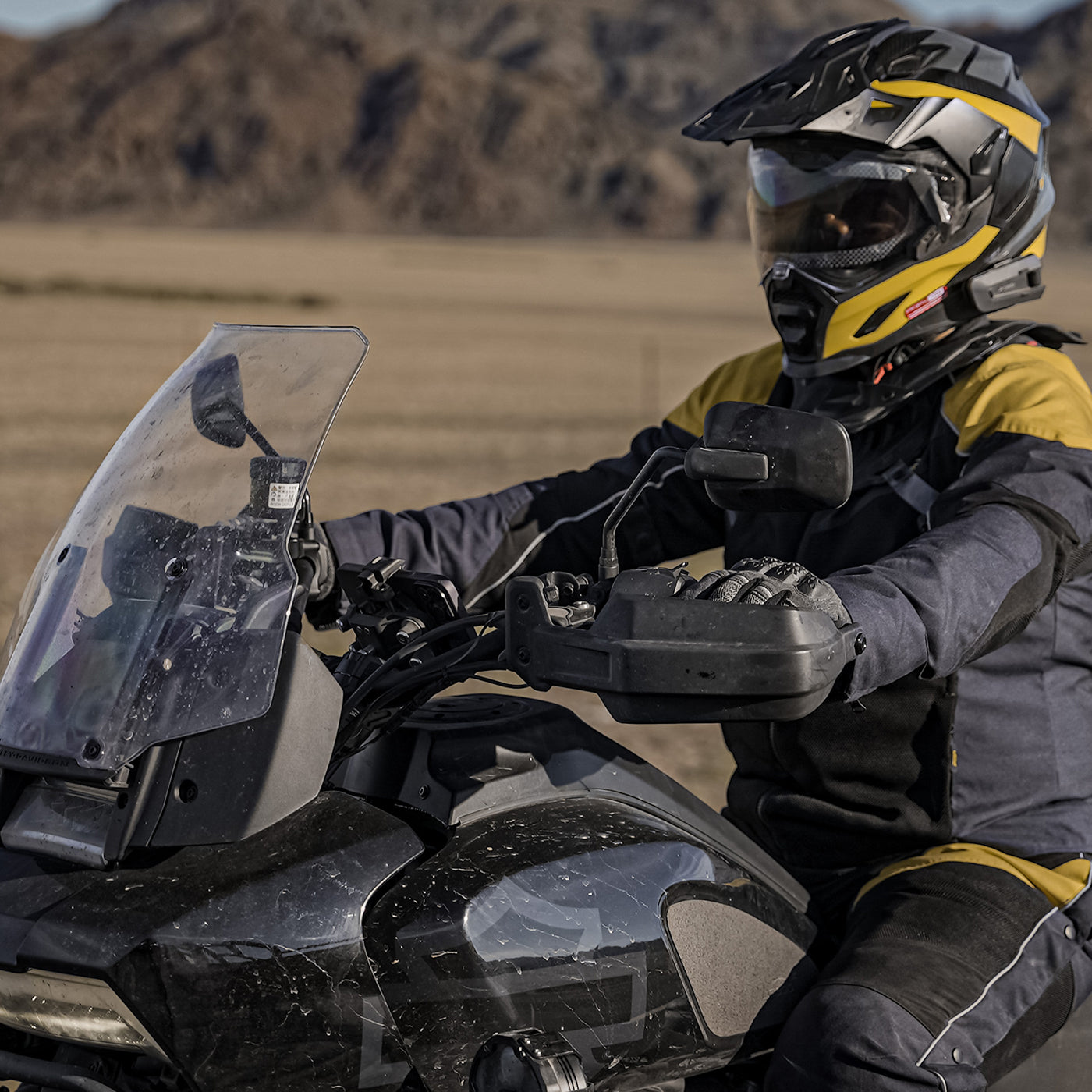
Beyond the Blueprint. Into the Wild.
X-Team
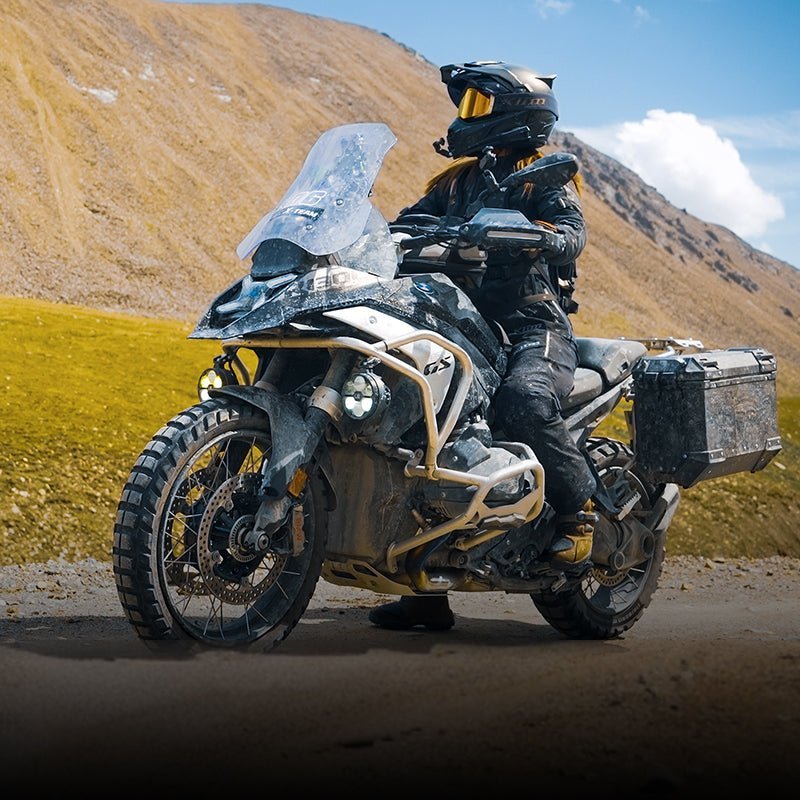
Before any part leaves our workshop, it's put to the ultimate test. It’s a process we call real-world validation, led by our dedicated X-Team.
Frequently Asked Questions
What is the difference between upper and lower motorcycle crash bars?
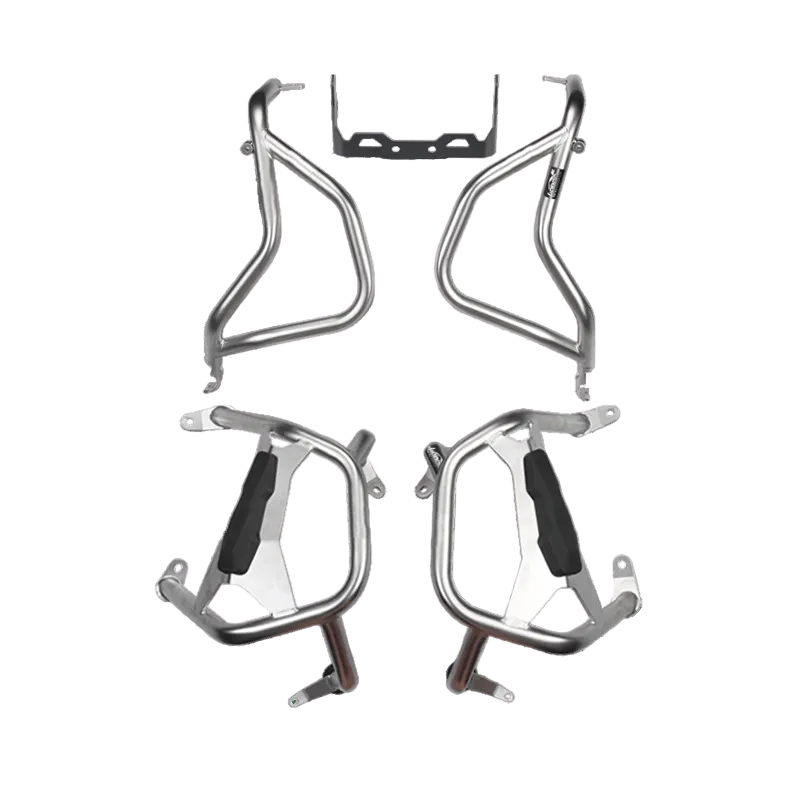
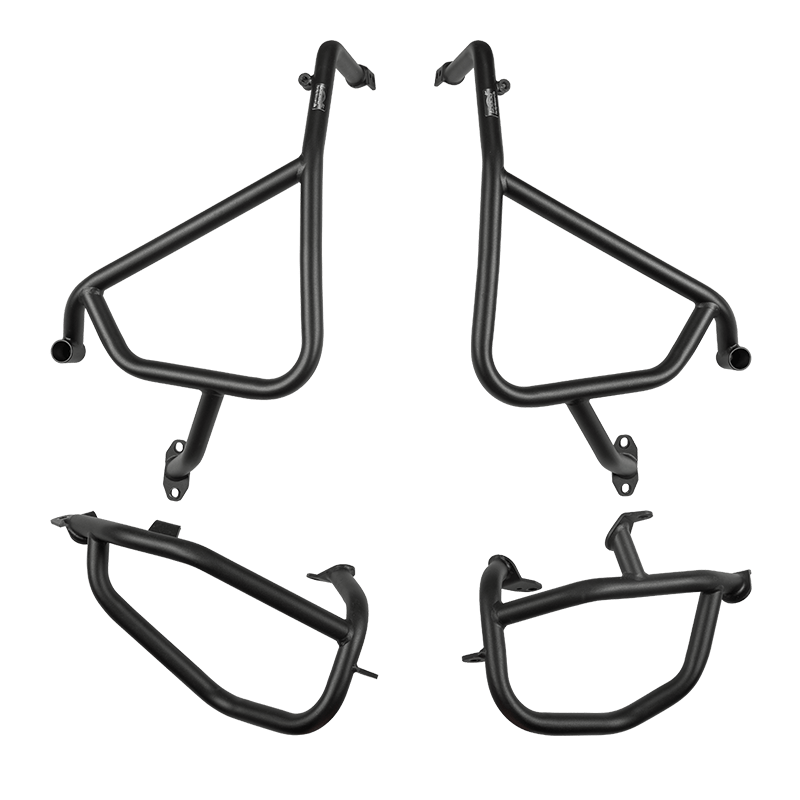
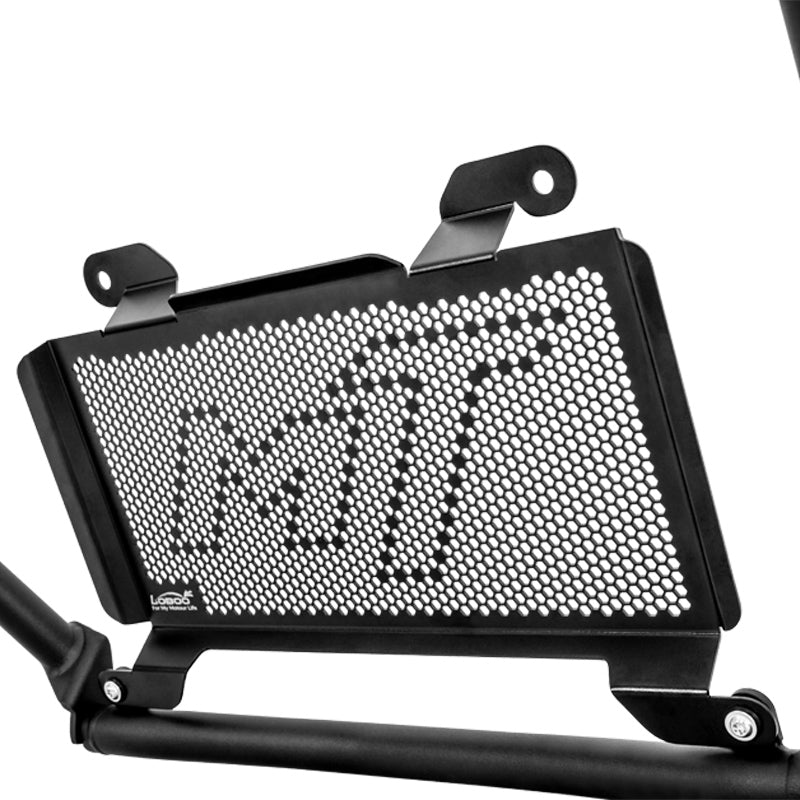
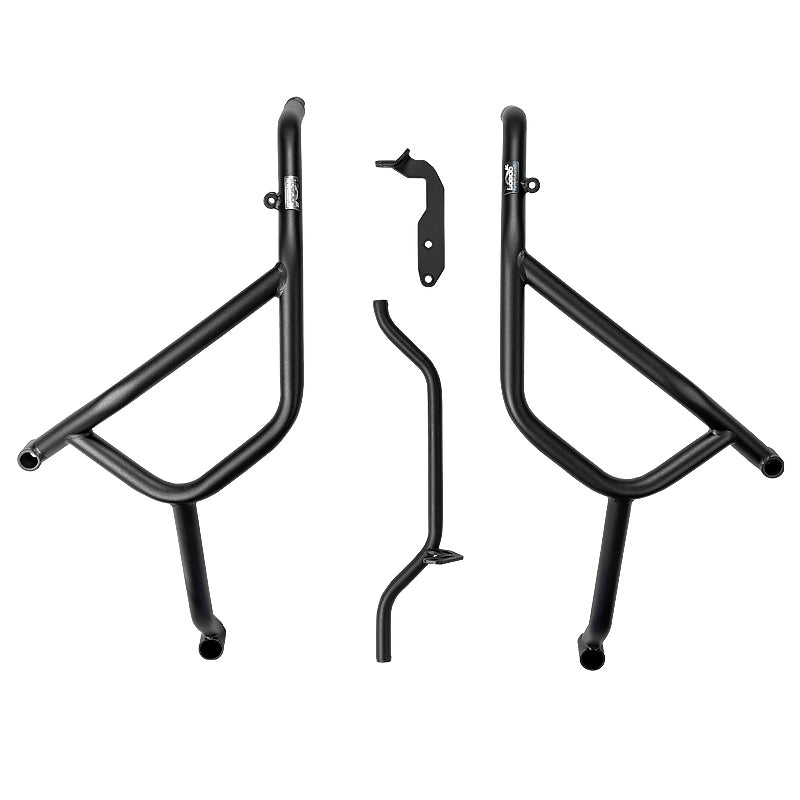
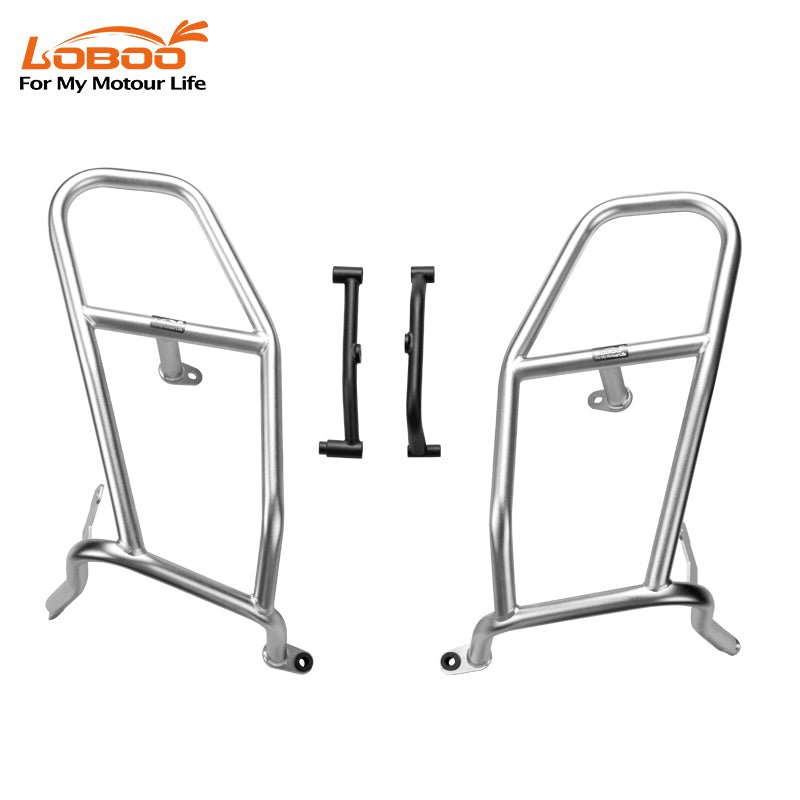
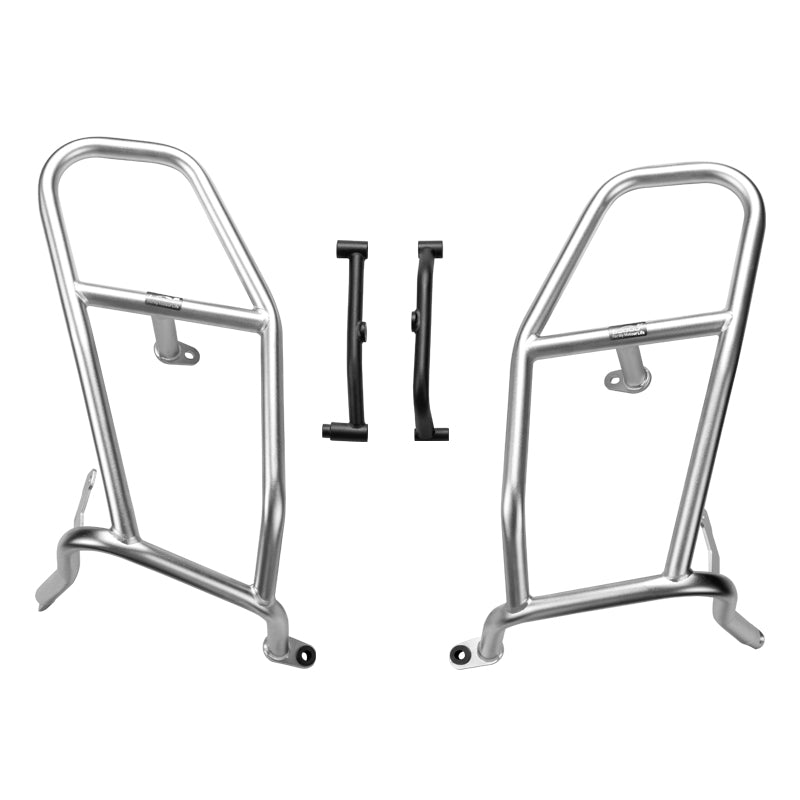
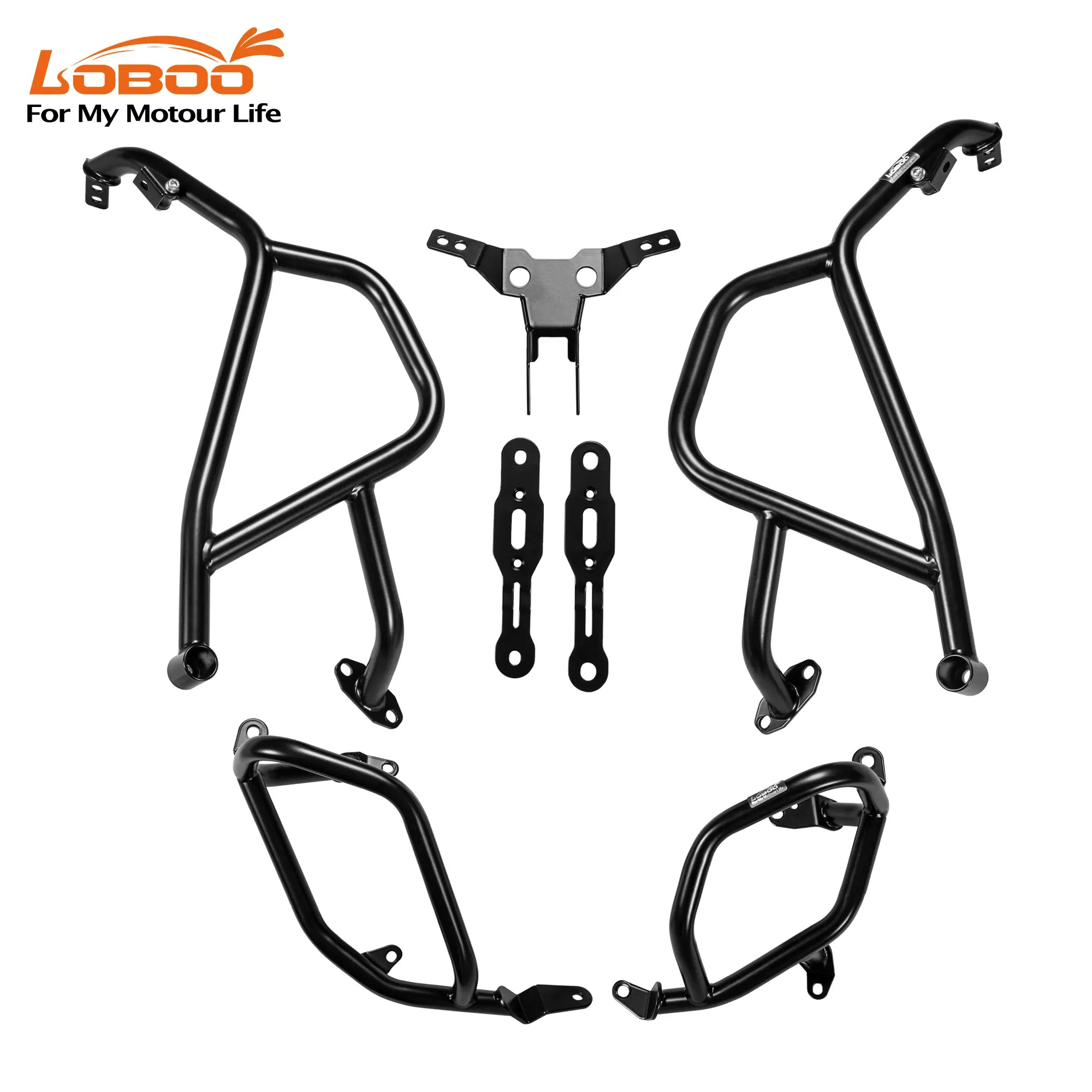
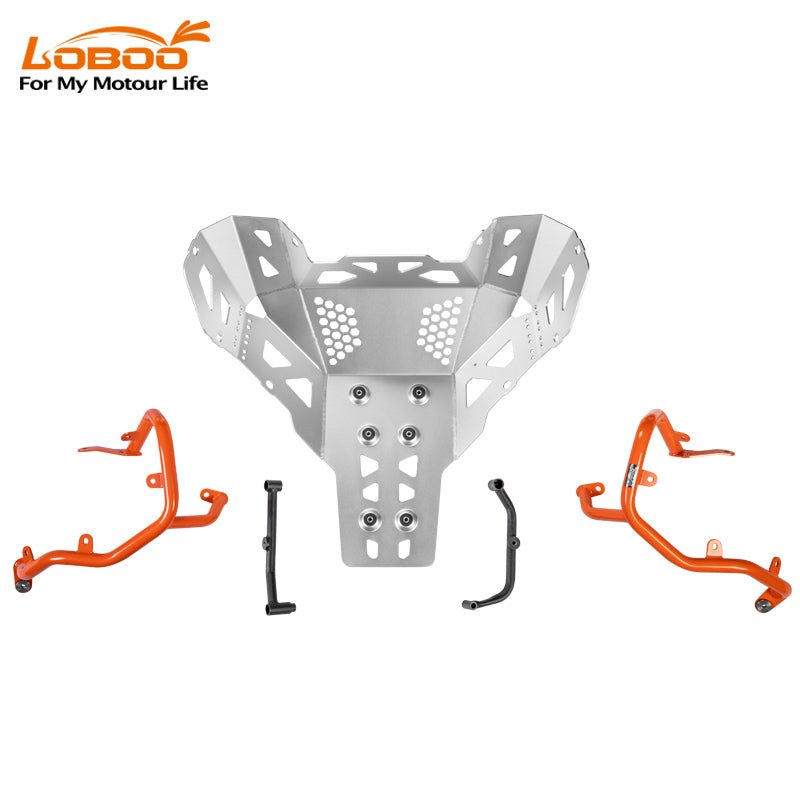
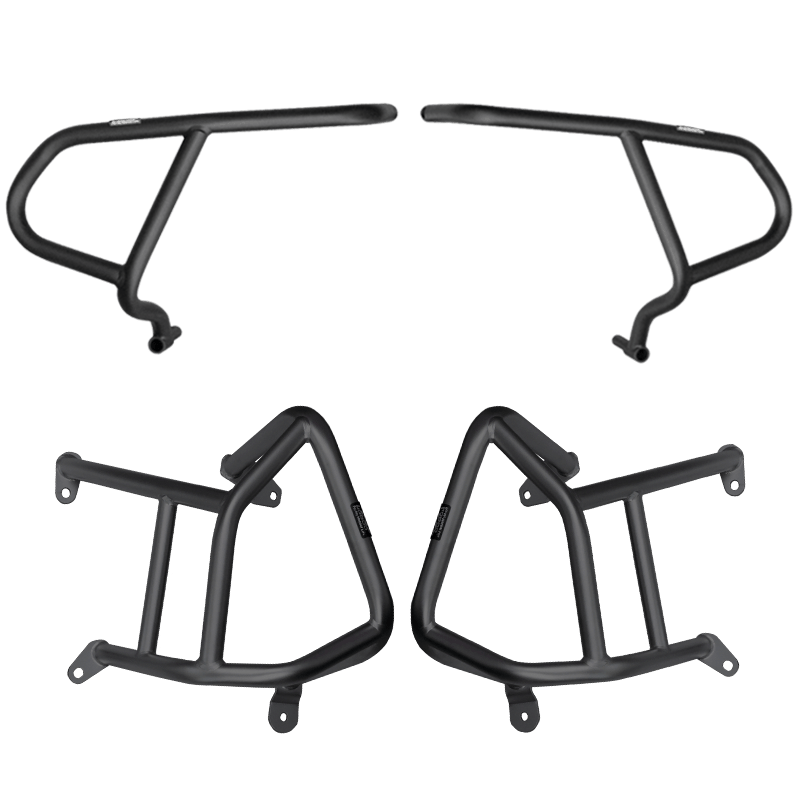
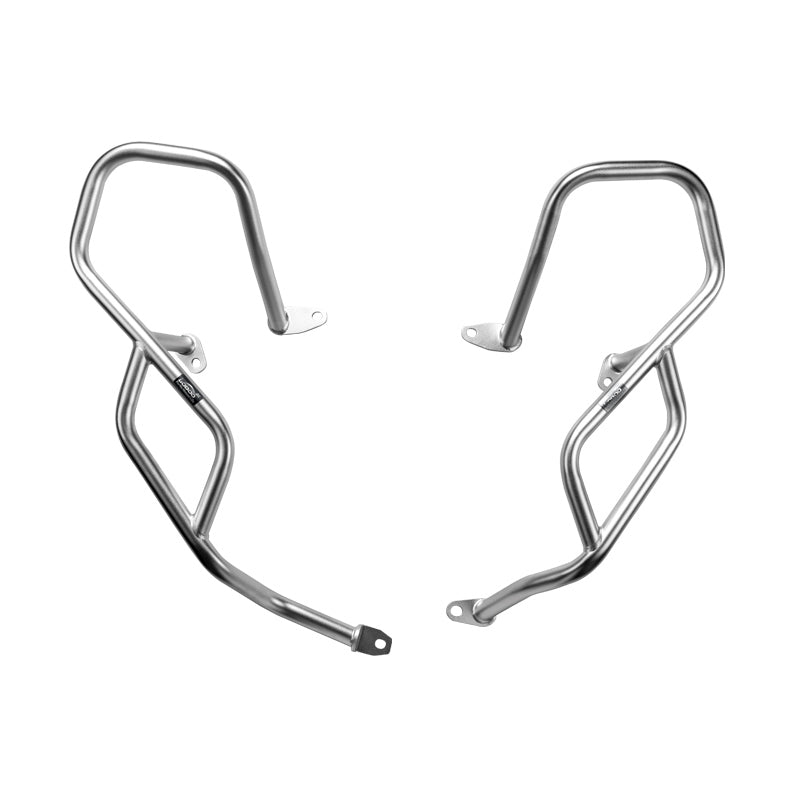
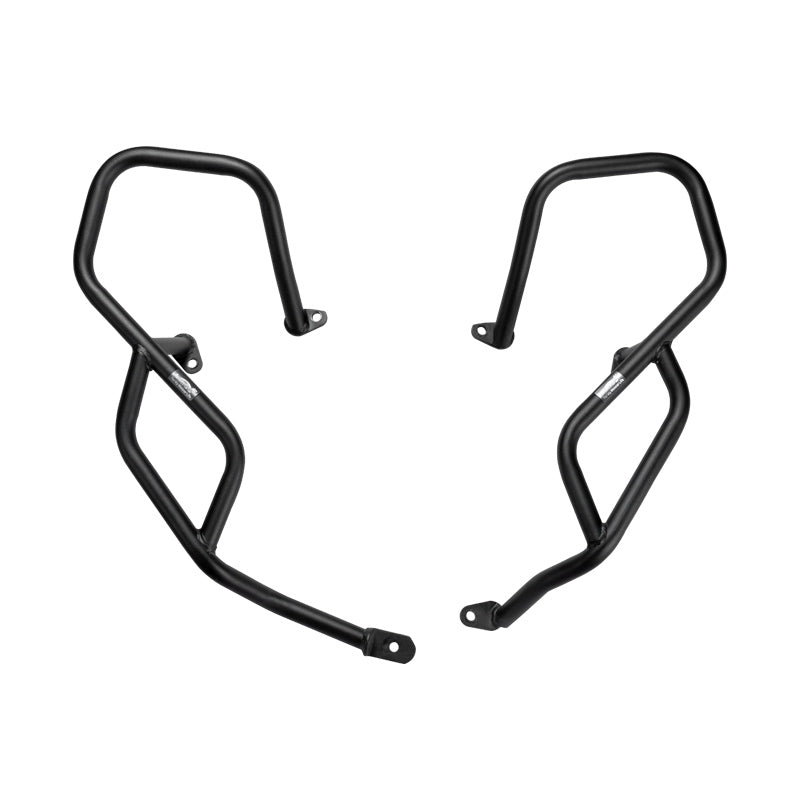
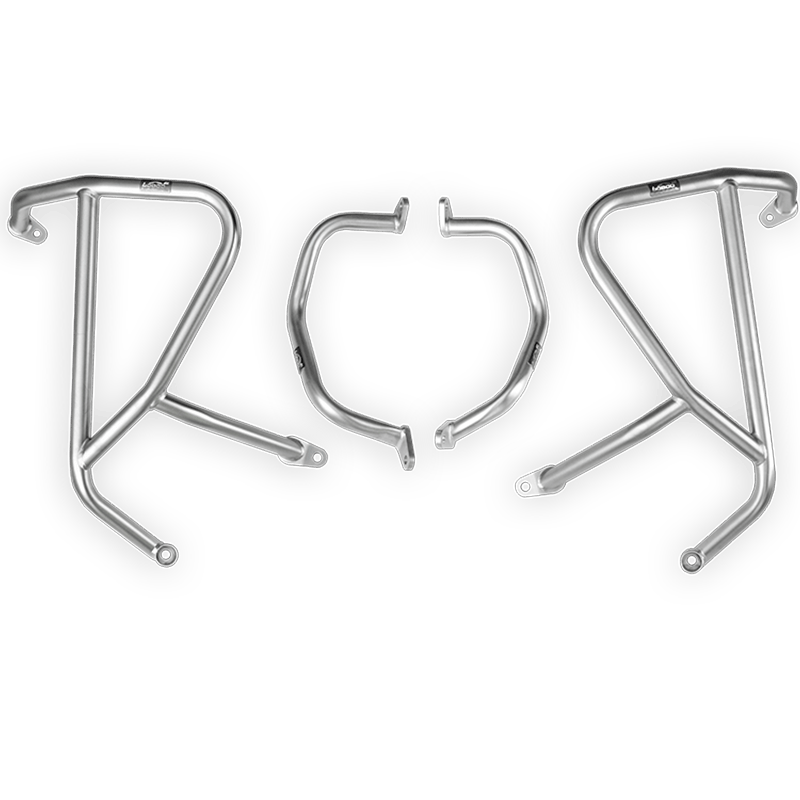
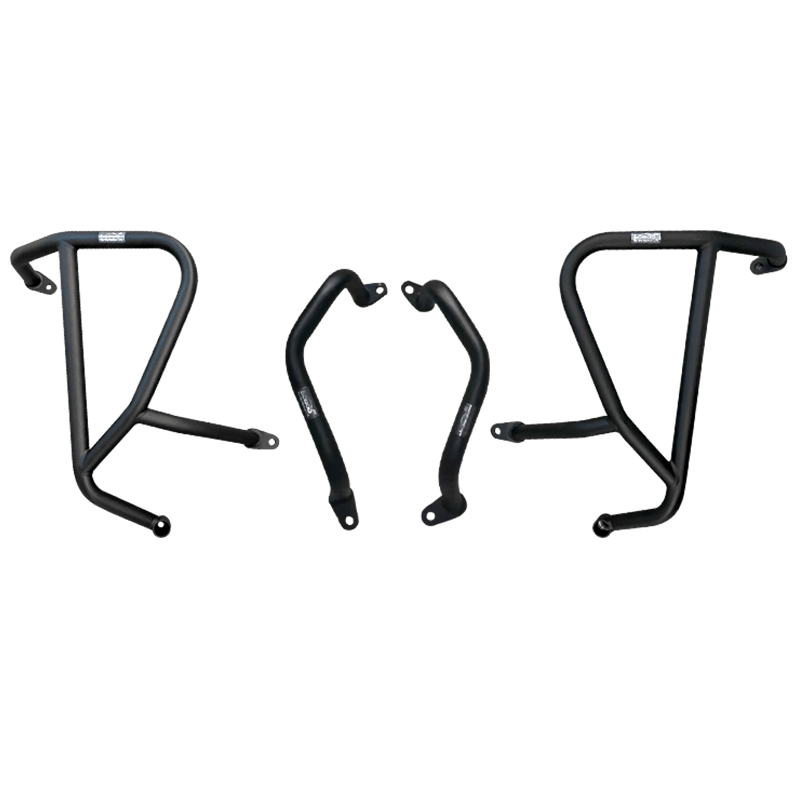
Lower crash bars bolt to the engine mounts and protect the engine cases and cylinder heads — the first point of contact in most tip-overs. Upper crash bars extend further up to shield the radiator, fuel tank, and fairing from harder impacts. For light off-road use, lower bars alone are usually sufficient. For technical terrain or extended remote touring, combining upper and lower gives you full-body coverage. Browse our full range of motorcycle crash bars to find the right configuration for your riding style.
Are LOBOO crash bars compatible with my BMW, KTM, or Honda?
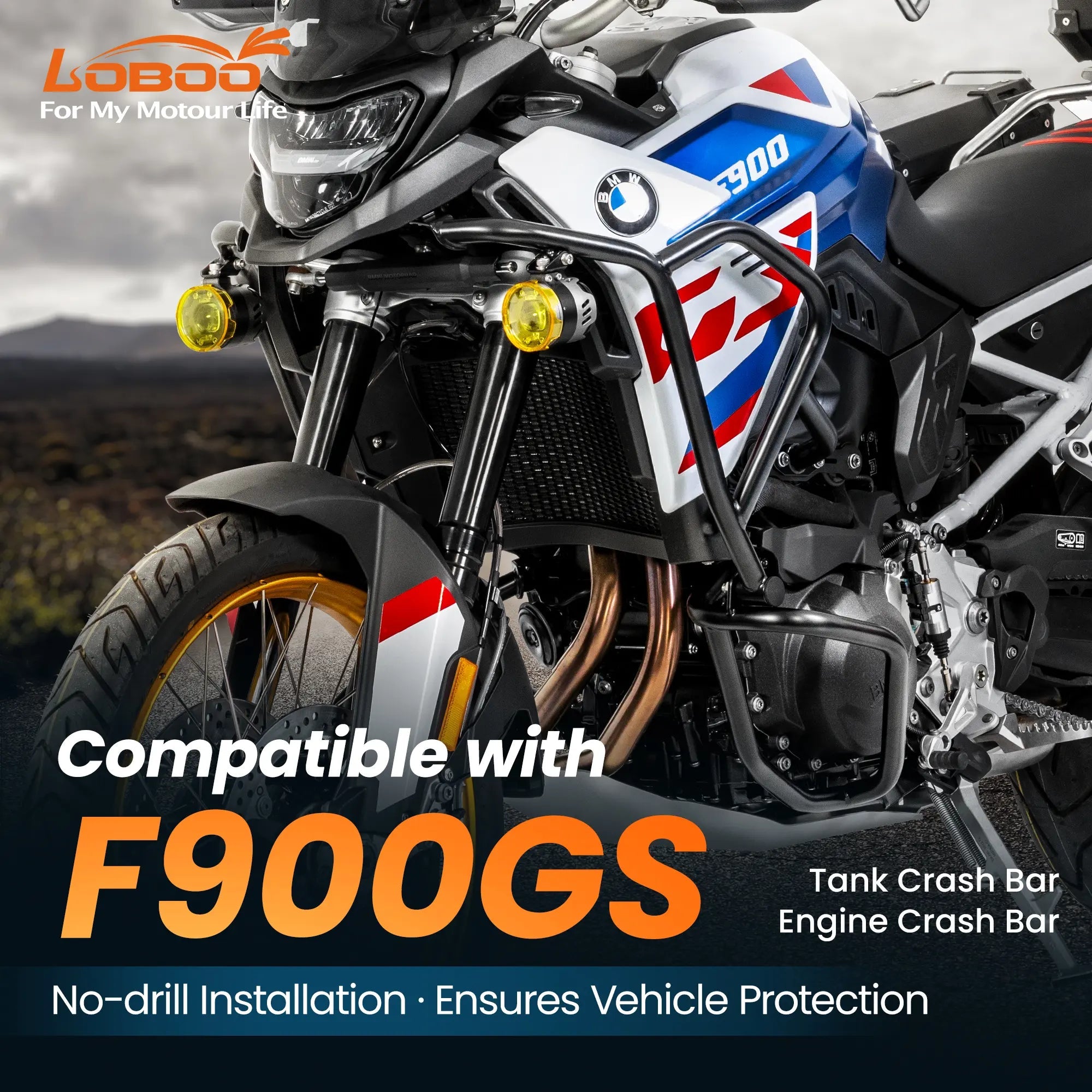
LOBOO crash bars are engineered with model-specific fitment — not universal sizing — so they align precisely with your frame's mounting points without drilling or modification. Current fitments include the BMW R1300GS, BMW F900GS, KTM 790/890 Adventure, Honda Africa Twin CRF1100L, Honda CB500X, and Honda Forza 350. Check each product listing for a confirmed compatibility list, and contact our team if your model isn't listed — new fitments are added regularly.
Do I need crash bars if I mostly ride on paved roads?
Tip-overs don't only happen off-road. Parking lot drops, gravel at intersections, and low-speed maneuvering accidents are among the most common causes of engine and fairing damage — and crash bars prevent all of them. A set of LOBOO lower engine guards is one of the most cost-effective upgrades you can make to avoid a repair bill that routinely runs $1,500–$3,000 in engine case or radiator damage.
How long does it take to install LOBOO crash bars?
Most LOBOO crash bar installations take 45–90 minutes with basic hand tools — a socket set and torque wrench are all you need. No drilling, cutting, or frame modification required. Each set ships with all mounting hardware and a step-by-step installation guide. For upper crash bars that require partial side panel removal, budget a little extra time on your first install.
Can I mount auxiliary lights to LOBOO crash bars?
Yes — most LOBOO crash bars include pre-drilled or integrated mounting points specifically designed for auxiliary lights. This eliminates the need for separate mounting clamps or brackets. Pair your crash bars with LOBOO's LED auxiliary lights for a clean, wiring-ready setup that takes full advantage of the integrated mounts.
What is the difference between crash bars and frame sliders?
Frame sliders are designed to minimize damage when a bike slides at speed on pavement — they reduce friction against the ground. Crash bars are designed to prevent contact between your engine, radiator, and fairing and the ground during a tip-over or low-speed drop. For adventure bikes that see any off-road use, crash bars provide broader, more reliable protection. Many serious ADV riders run both.
Do inflatable crash bar bags replace crash bars, or work alongside them?
They work alongside crash bars, not instead of them. LOBOO's inflatable crash bar bags clip to your existing bars and act as a first layer of impact absorption — the air chamber hits the ground first, changes the impact angle, and reduces force transferred to the frame. In most tip-overs, the bag takes the hit before the bar does. They also provide IPX7-rated waterproof storage, so they add function even when the trip goes perfectly.
Motorcycle Crash Bars & Engine Guards — Buying Guide
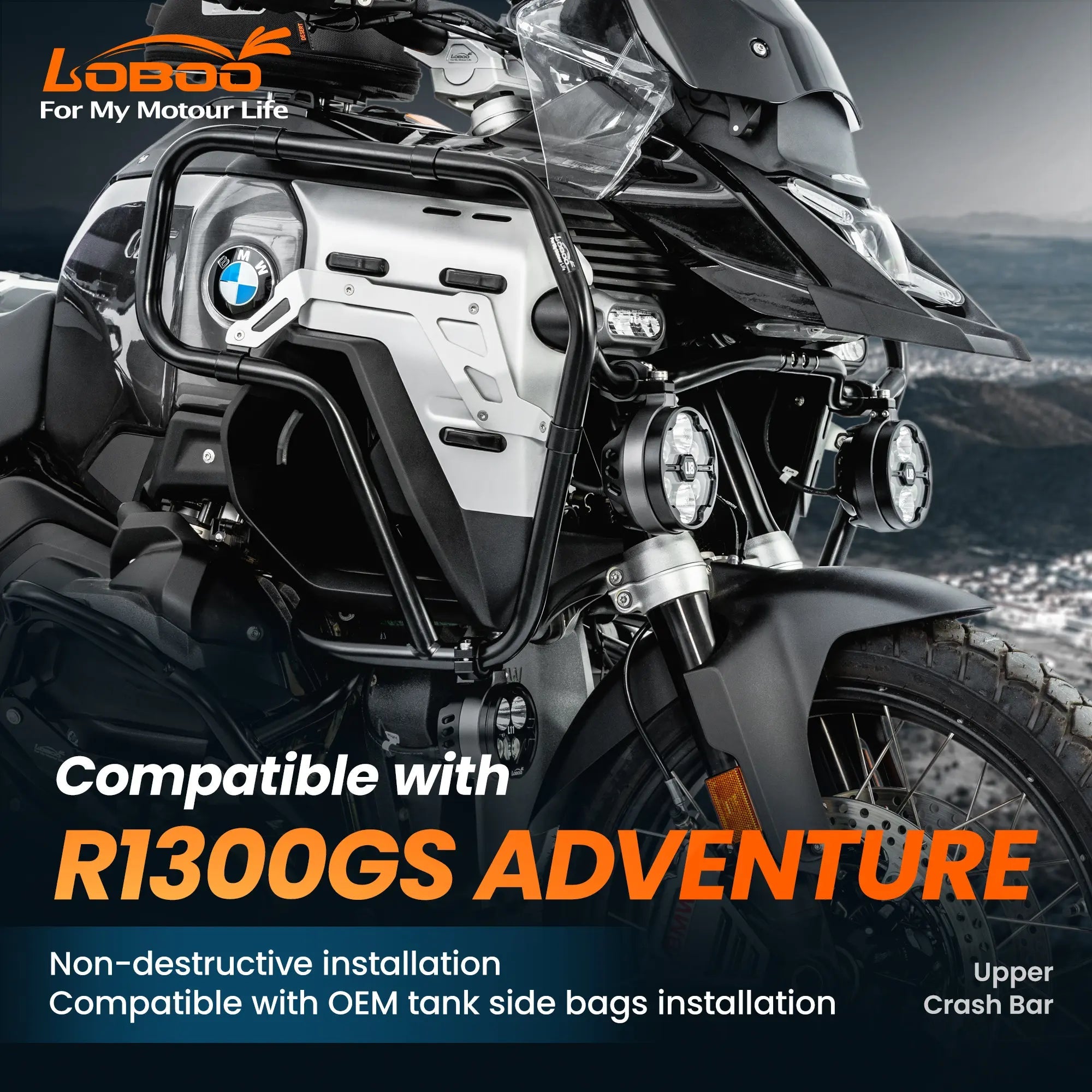
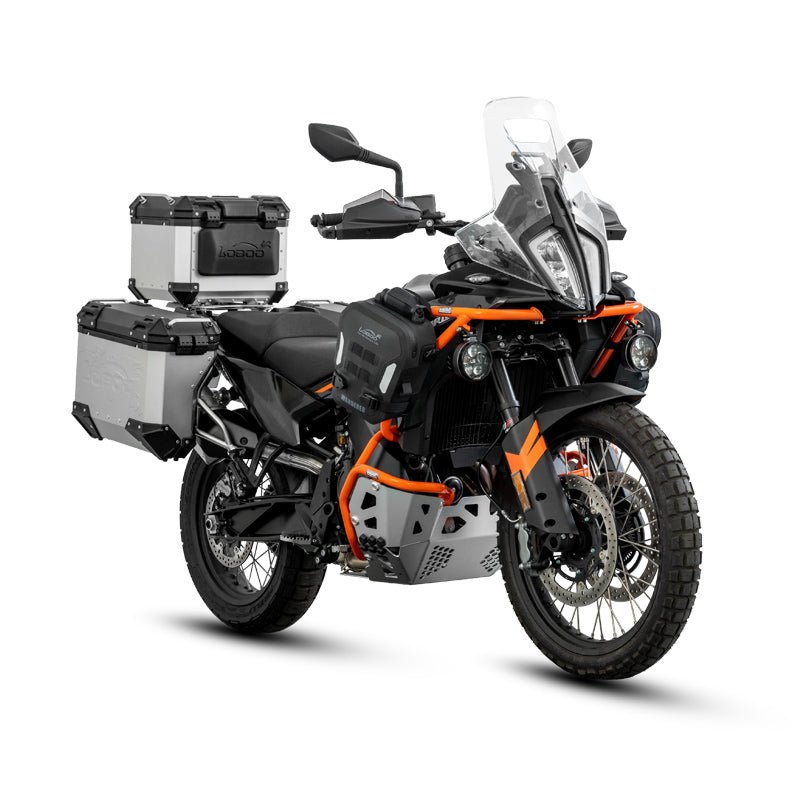
Every adventure rider knows it's not if you drop your bike — it's when. LOBOO motorcycle crash bars are engineered to take that hit so your engine, radiator, and fairings don't have to. Built from 304 stainless steel with precision fitment for BMW, KTM, and Honda adventure motorcycles, these bars are as tough as the terrain you ride.
Why LOBOO Crash Bars Are Built Different
Most crash bars bolt on and do nothing else. LOBOO bars are designed around your specific frame geometry — not a universal template — so they sit flush, protect the right points, and don't rattle. Every bar is X-Team tested on real trails before it ships.
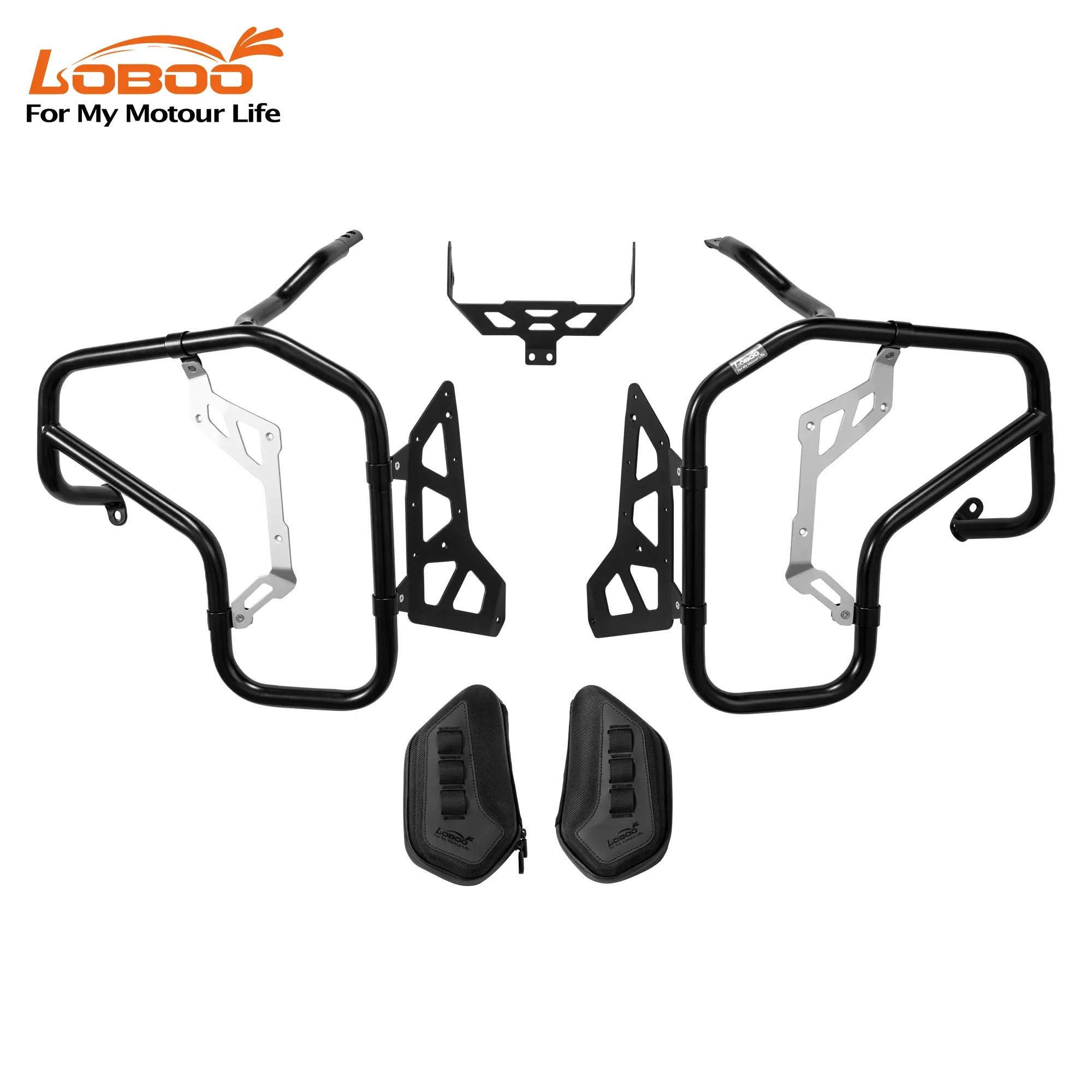
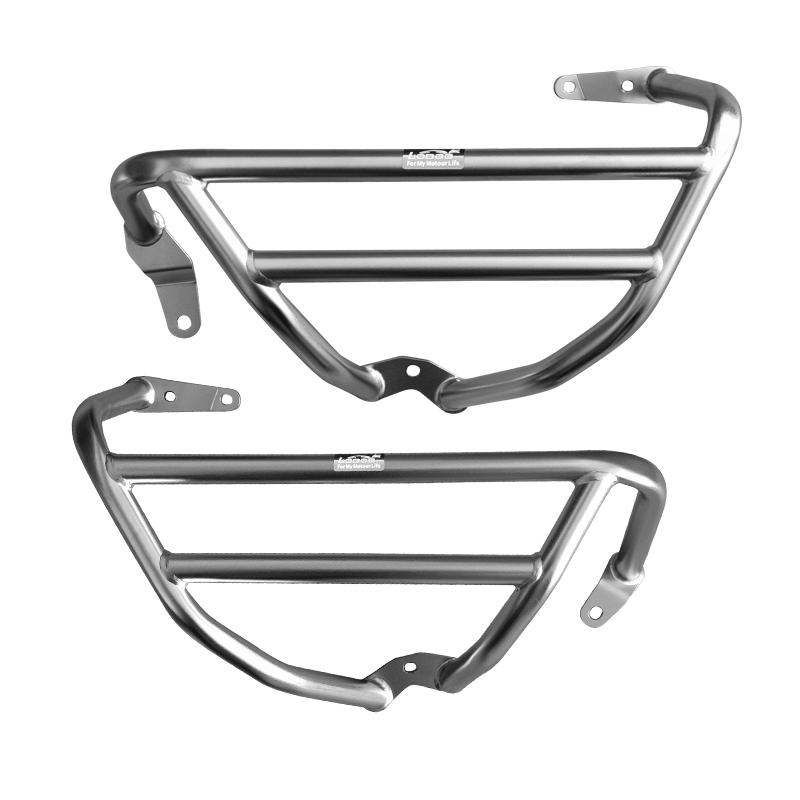
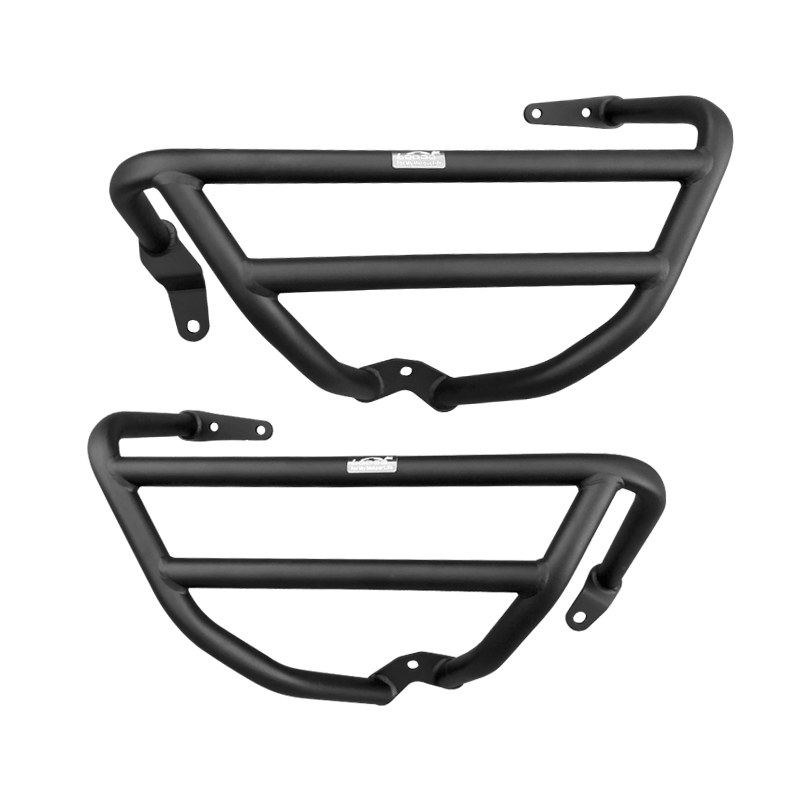
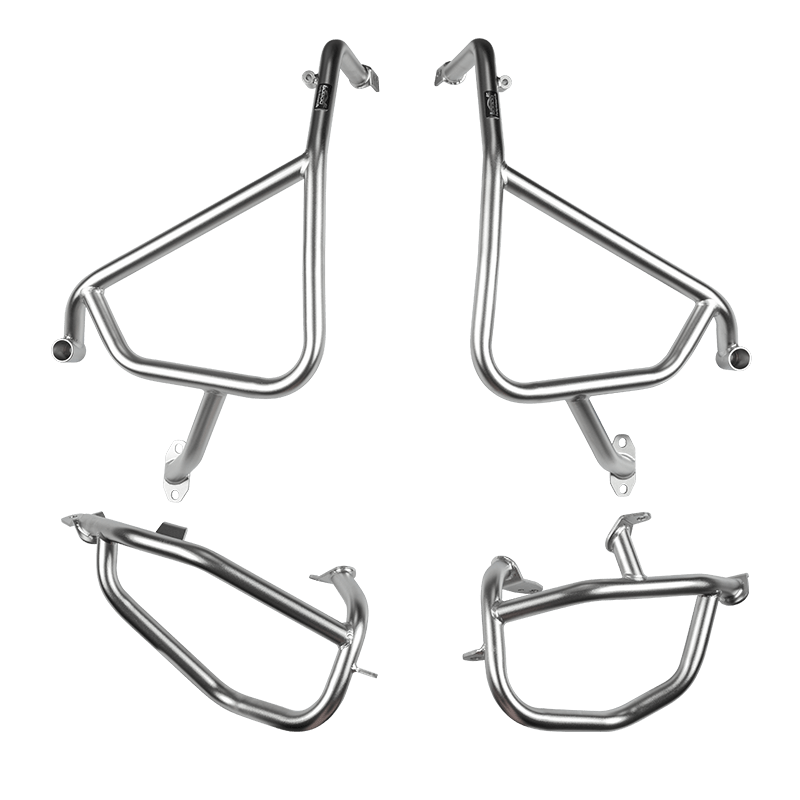
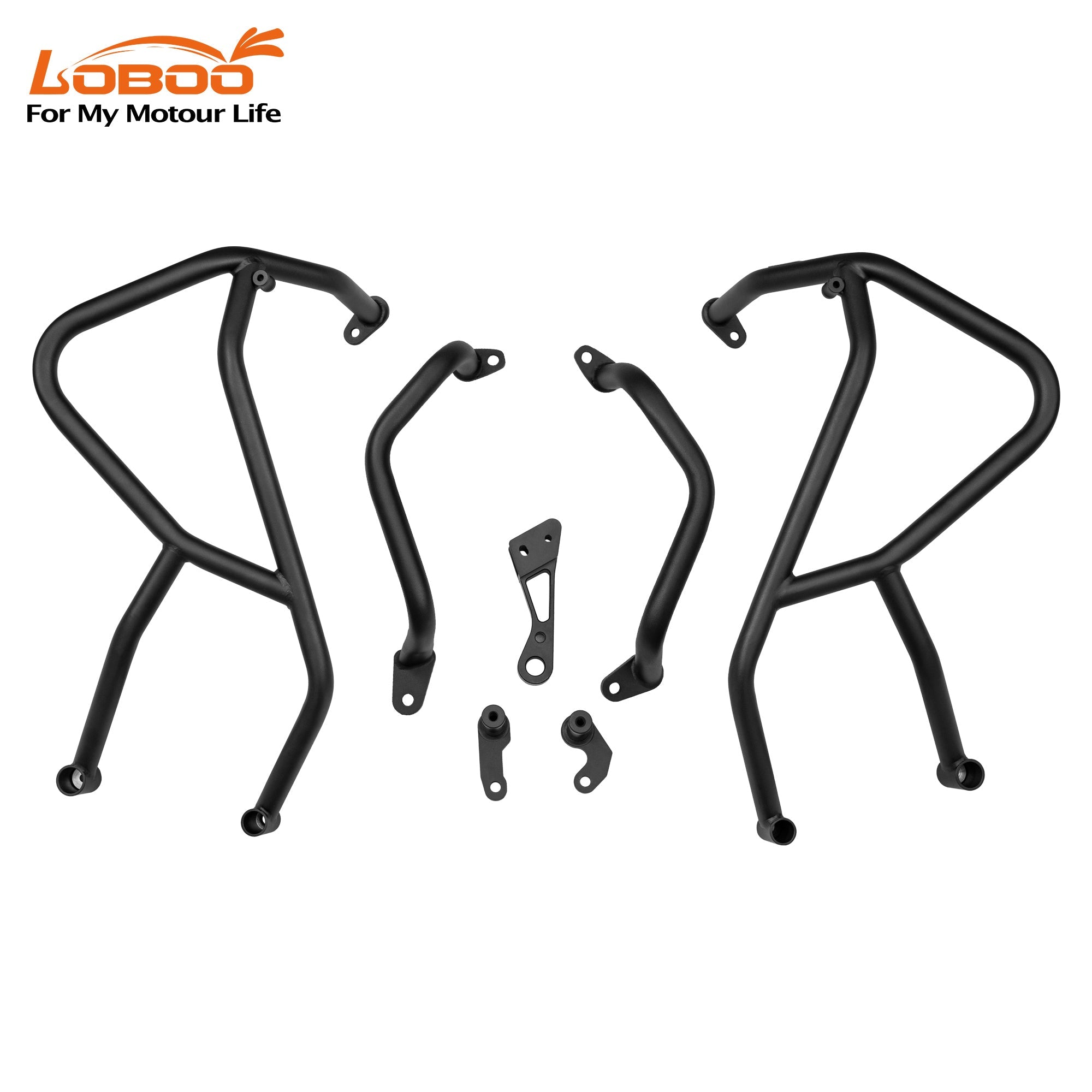
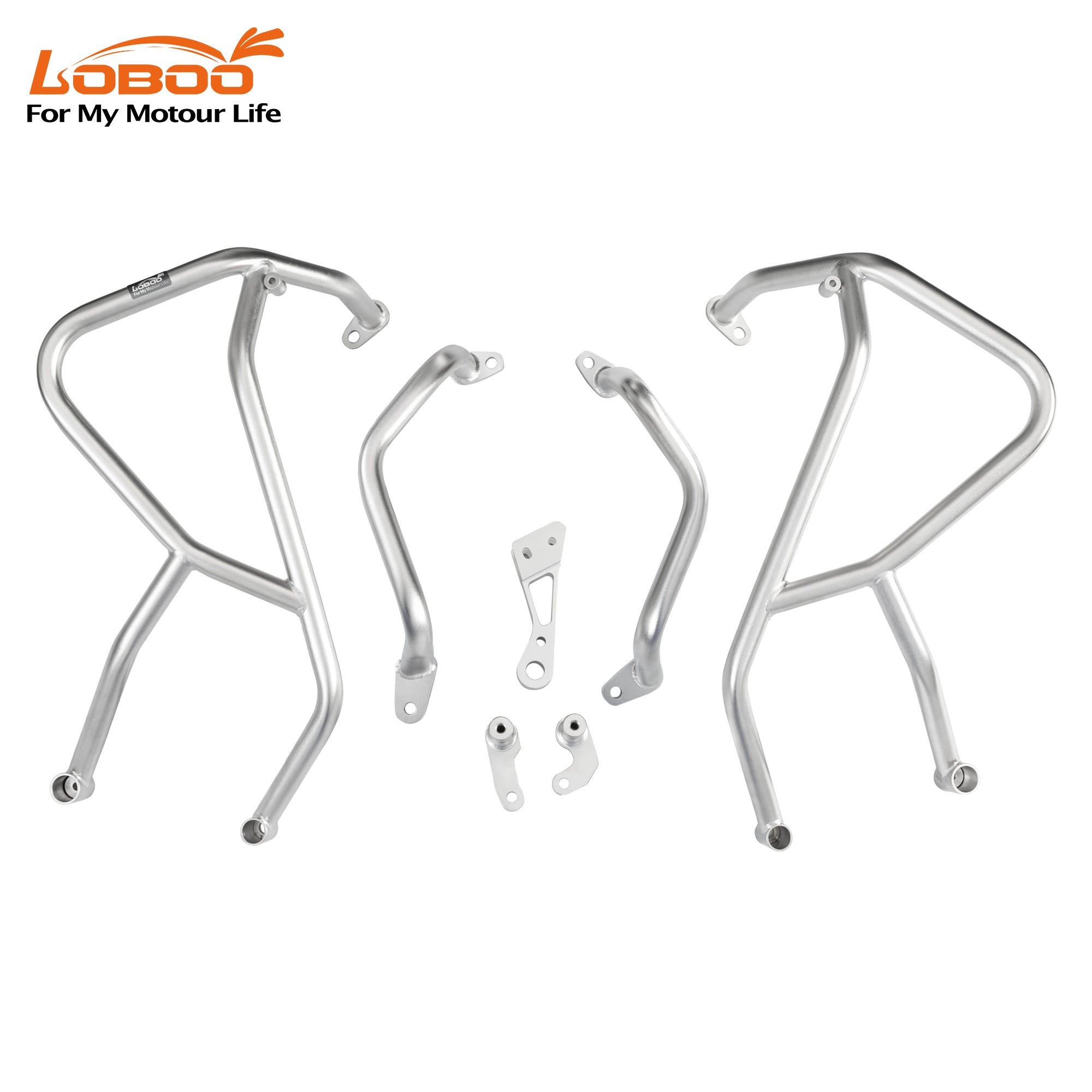
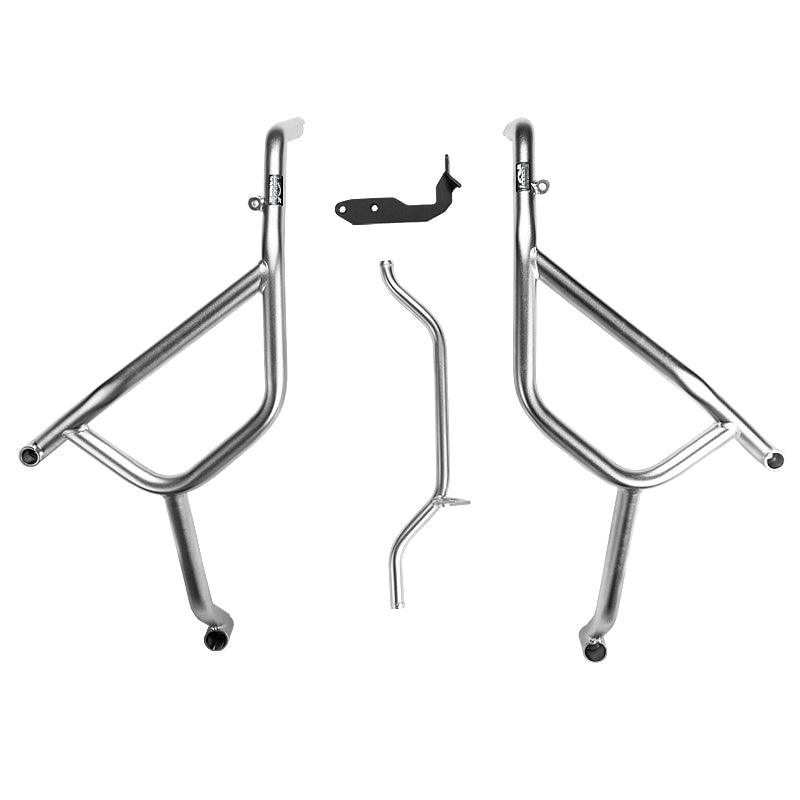
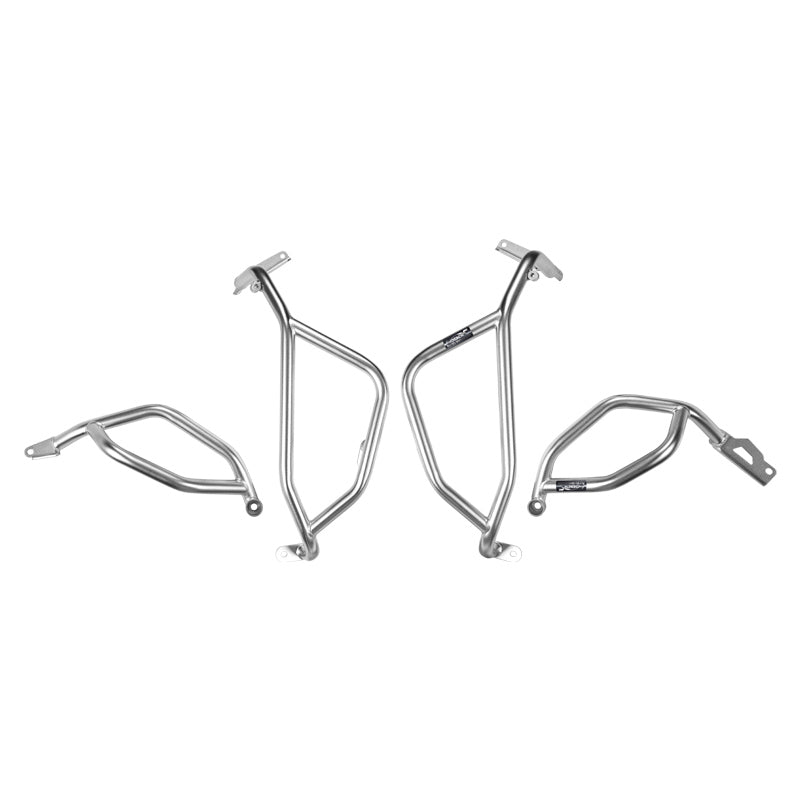
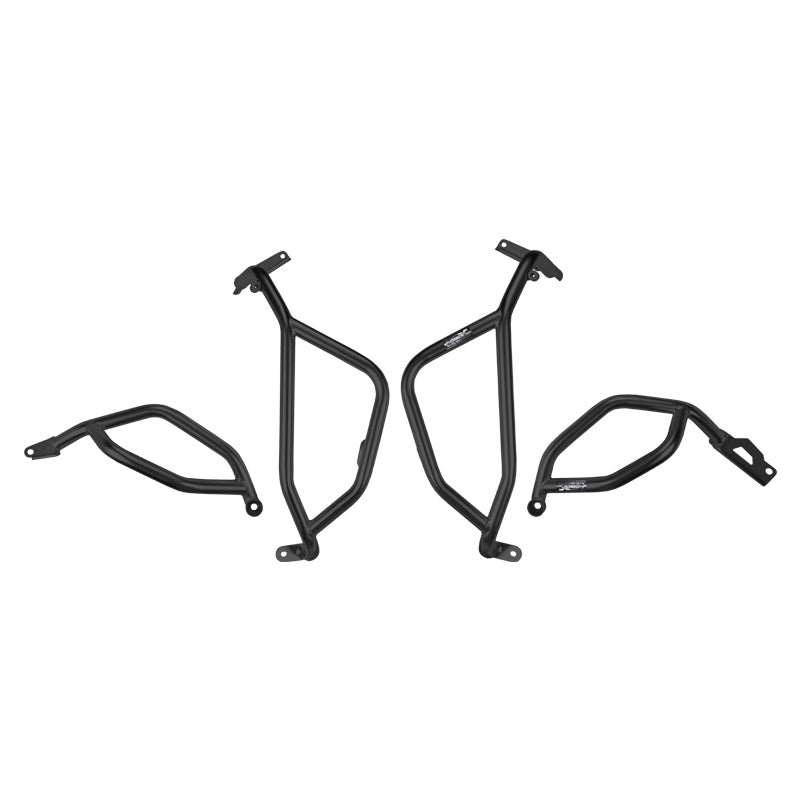
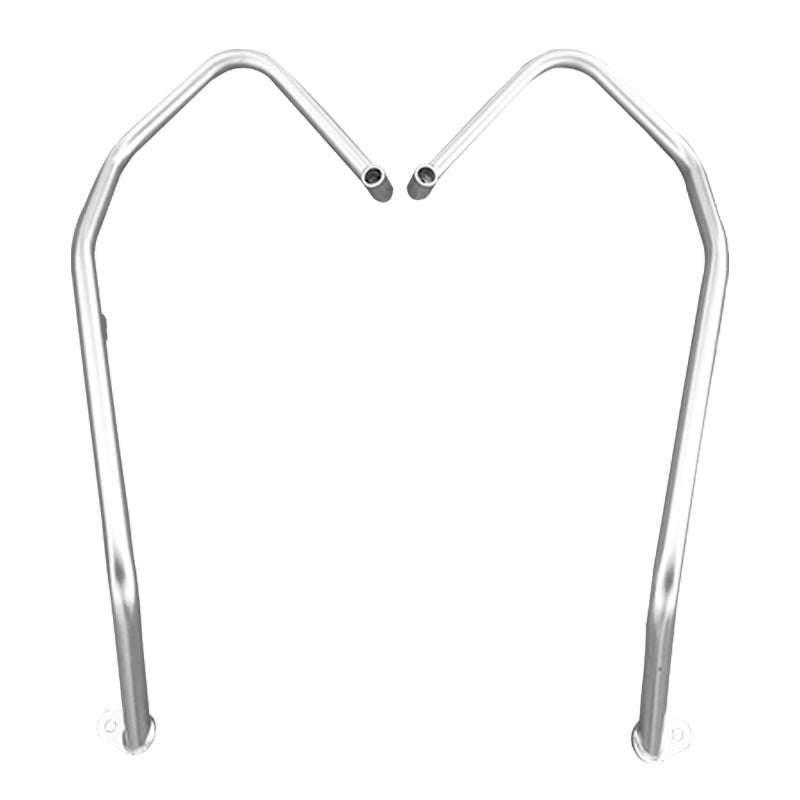
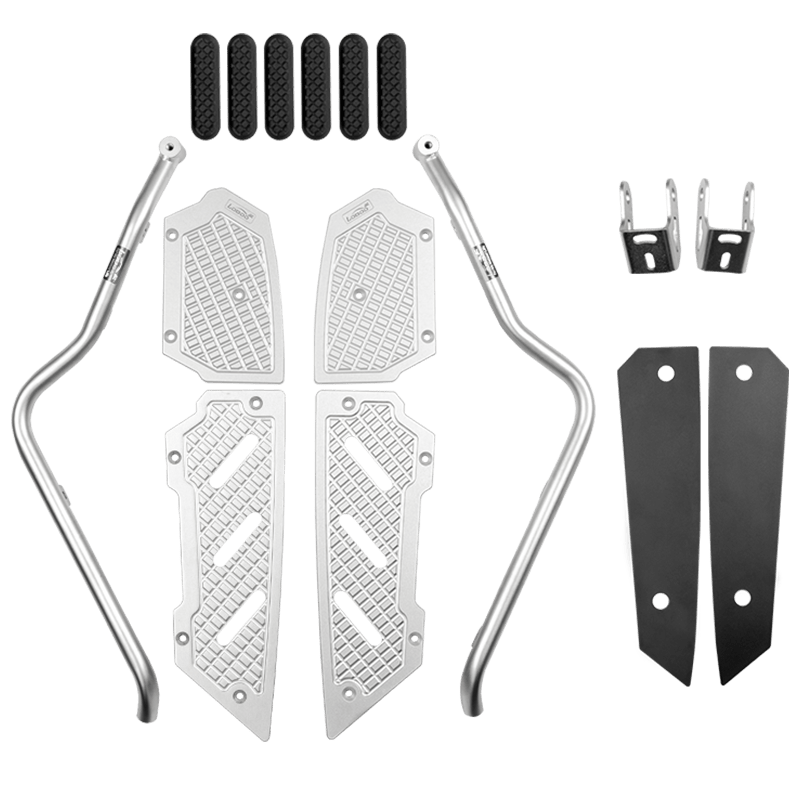
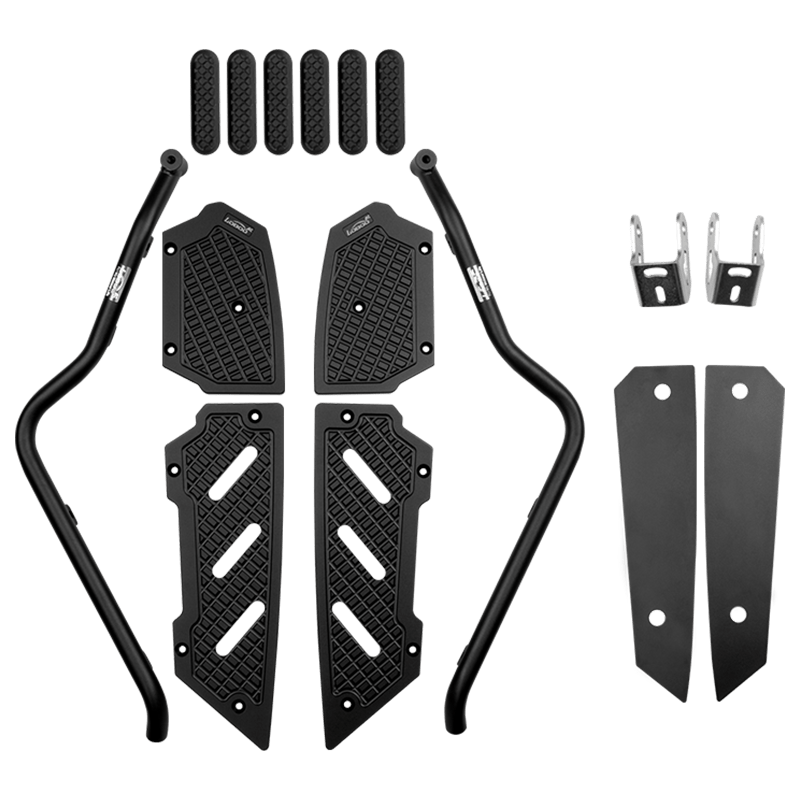
- 304 Stainless Steel Construction — Corrosion-resistant, weld-tight, and built to outlast the bike. Available in electrolytic silver or electrostatic black.
- Precision Frame Fitment — Bolt-on installation with no cutting or drilling. Fits your frame like it came from the factory.
- Integrated Auxiliary Light Mounts — Pre-drilled mounting points let you add LED auxiliary lights without extra clamps or brackets.
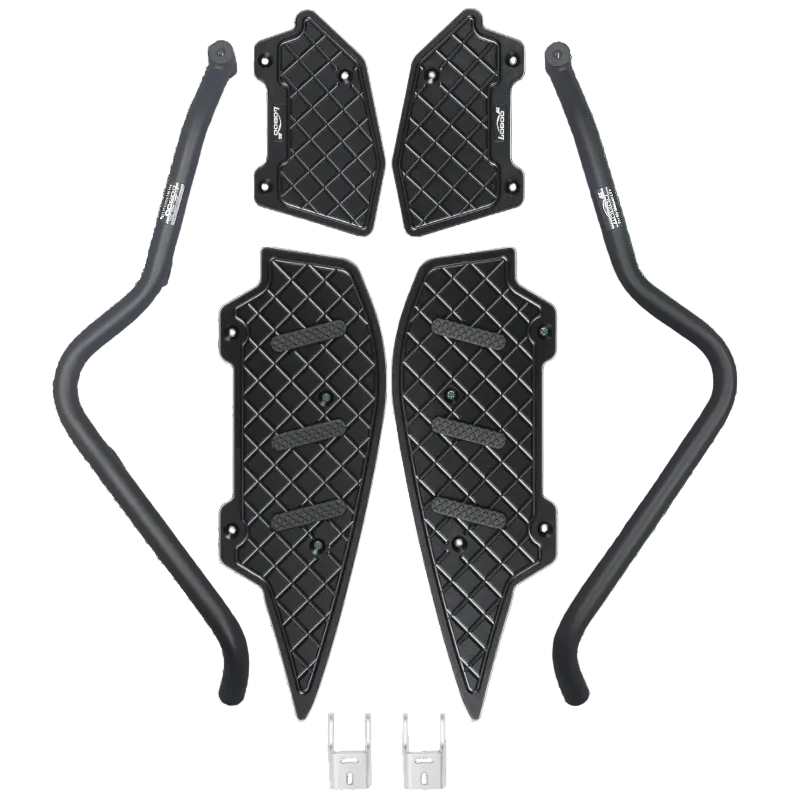
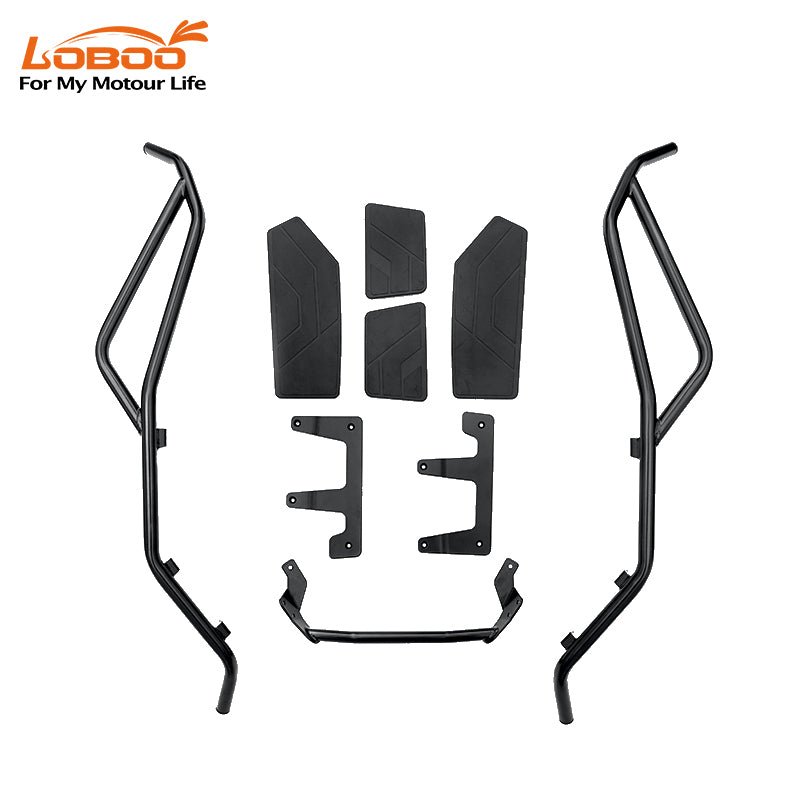
- Shock-Absorbing Cushion Modules — Select models include rubber buffer modules that absorb and disperse impact force before it reaches your frame mounts.
Upper vs. Lower: Choose Your Coverage
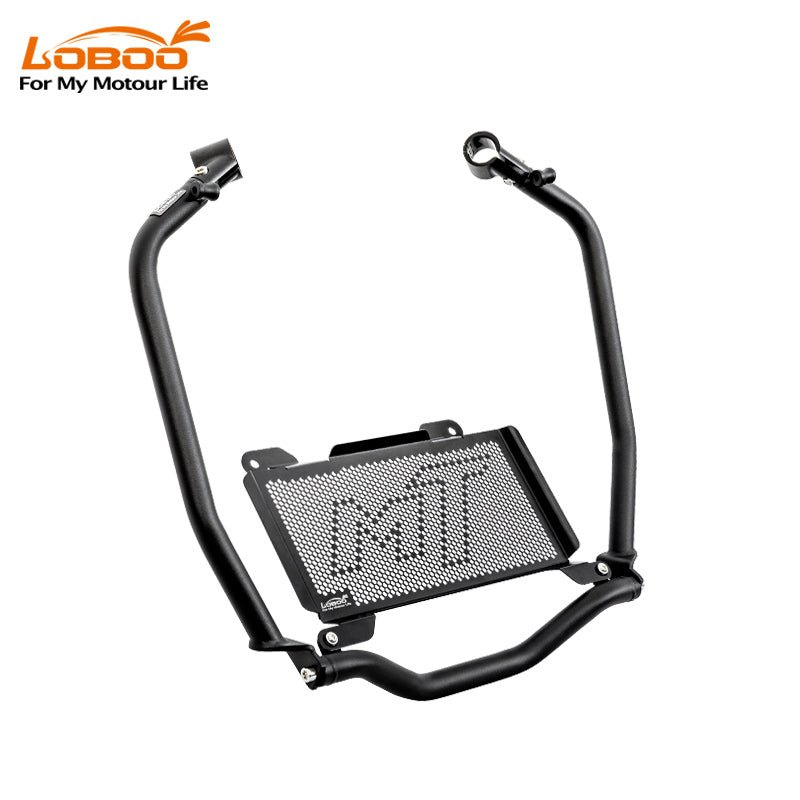
Lower crash bars protect the engine cases and cylinder heads — the most vulnerable contact points in a tip-over. Upper crash bars extend protection to the radiator, tank, and fairing — critical for off-road sections where the bike takes a harder impact. For serious ADV use, running both gives you full-body coverage. Not sure which to choose? A lower bar handles 90% of slow-speed drops; add uppers if you ride technical trails regularly.
Compatible Models
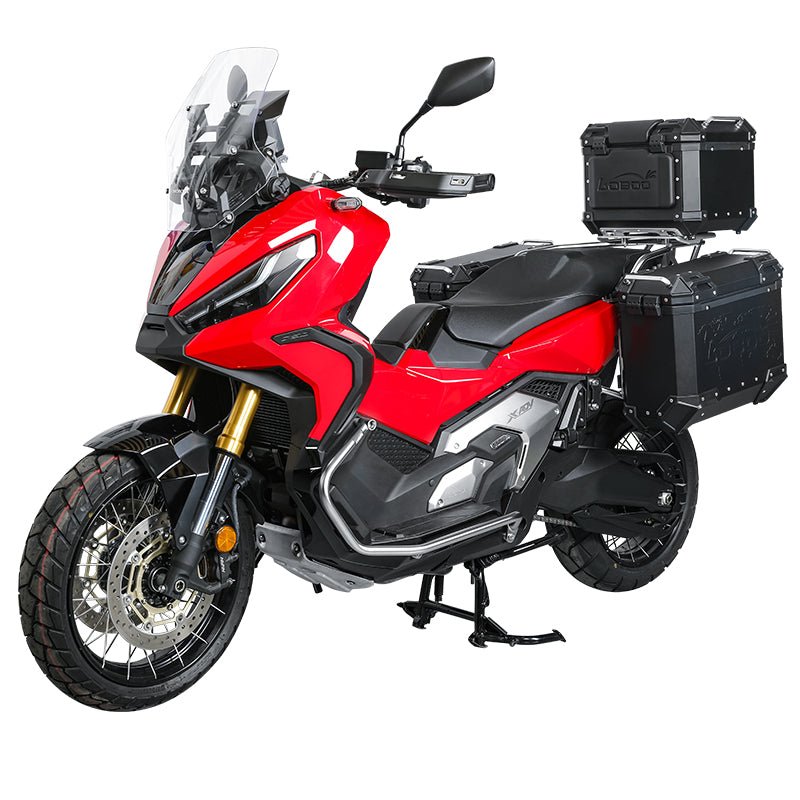
LOBOO crash bars are available for the most popular adventure platforms, with model-specific fitment verified by our engineering team. Current fitments include the BMW R1300GS, BMW F900GS, KTM 790/890 Adventure, Honda Africa Twin CRF1100L, Honda CB500X, and Honda Forza 350, with new fitments added regularly.
Complete Your Protection Setup
Crash bars do the structural work — pair them with inflatable crash bar bags to add a first layer of air-cushioned impact absorption (rated to 300kg bearing force, IPX7 waterproof). Round out your build with side bags and panniers for trail storage, and anti-vibration phone mounts to keep navigation locked in on rough terrain.