

設計図を超えて。野生の中へ。
X-Team
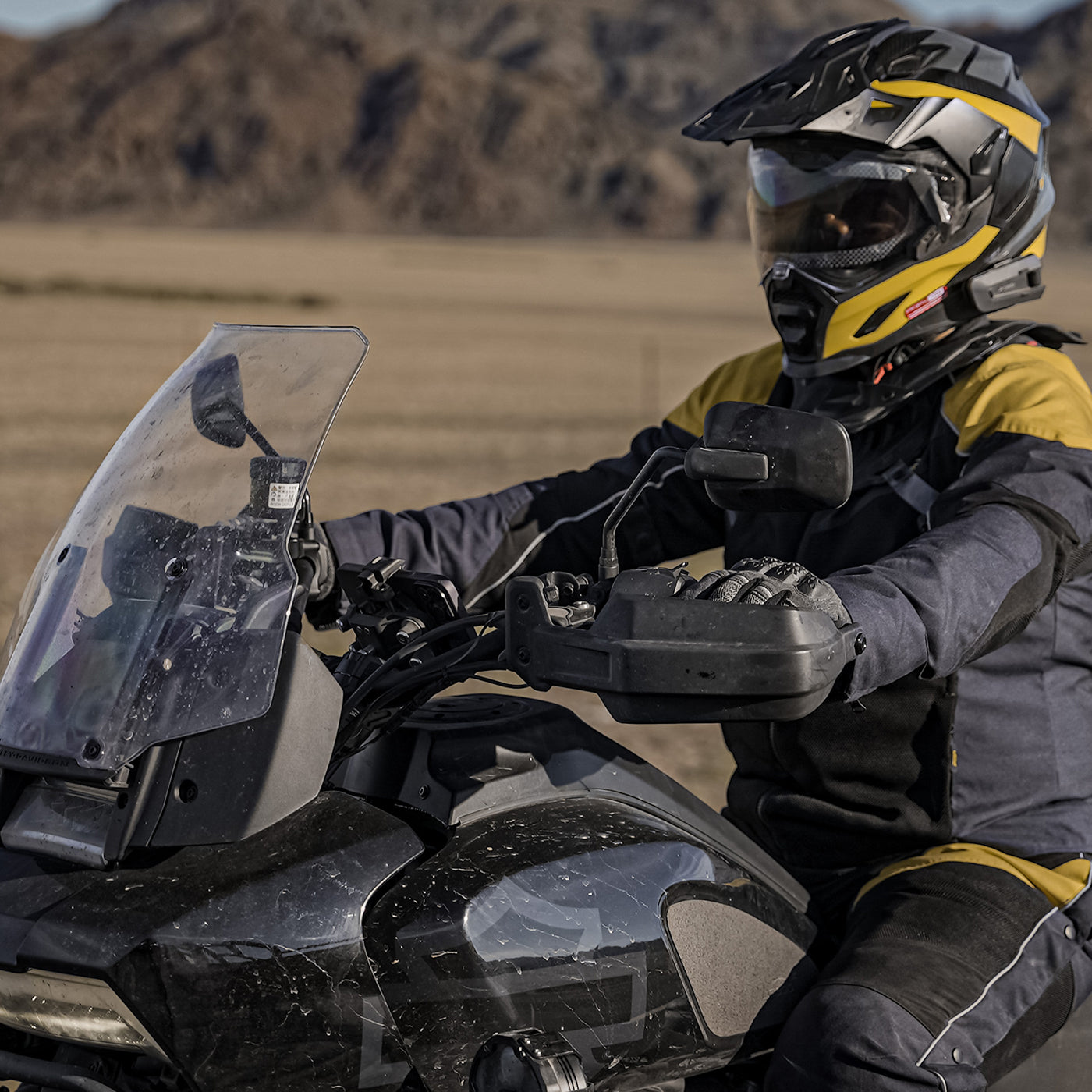
当社の作業場から部品が出る前に、最終的なテストが行われます。これは、専任のX-Teamが主導する「実世界検証」と呼ばれるプロセスです。
Frequently Asked Questions
What is the difference between an engine guard and a crash bar?
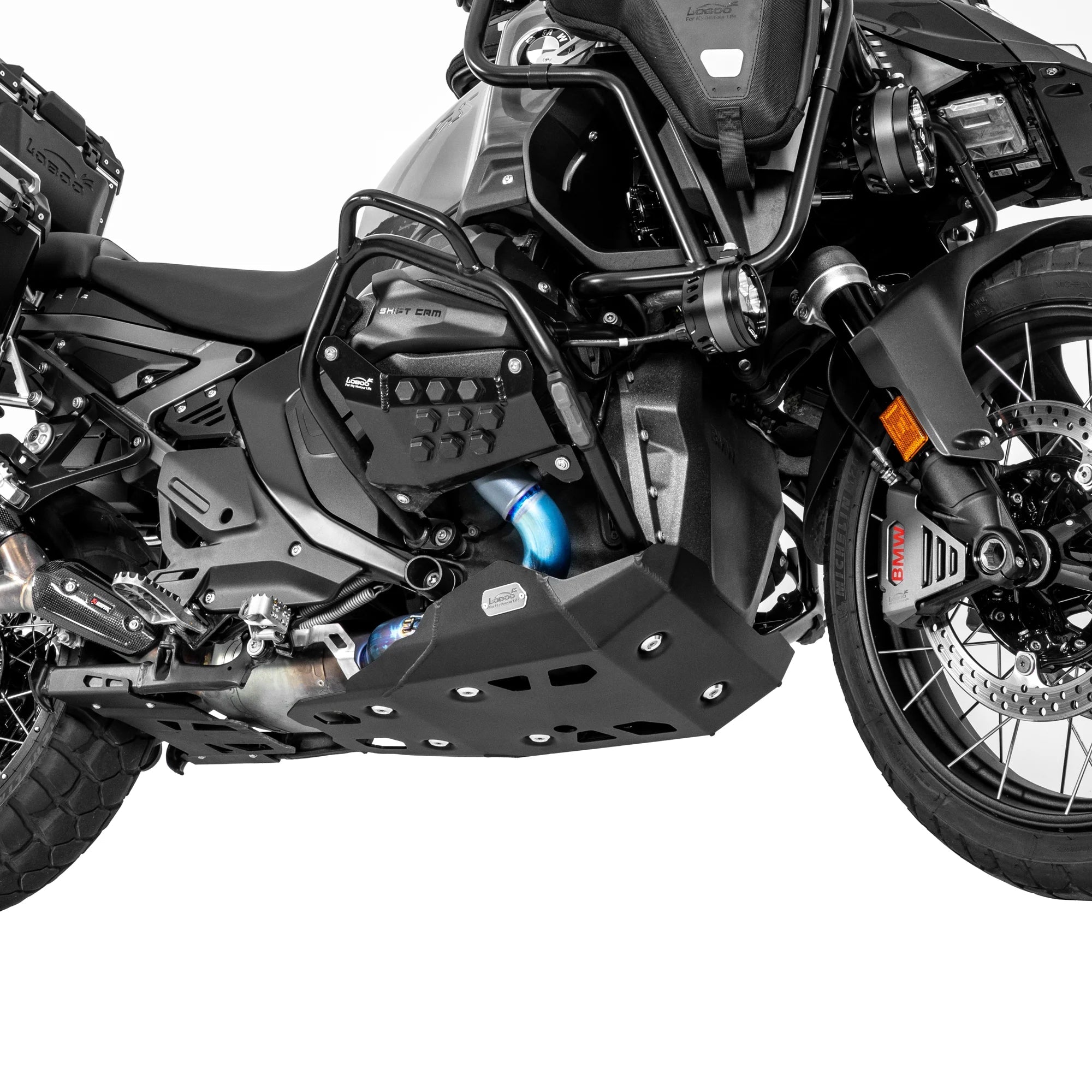
An engine guard (skid plate or bash plate) mounts under the engine to protect the oil pan, sump, and exhaust headers from rocks and debris that come up from the trail surface below. A crash bar is a tubular steel guard that wraps around the engine sides to absorb lateral impact during a tip-over. They protect against completely different threats — one from below, one from the side — and many ADV riders run both simultaneously, since the two systems mount independently and don't interfere with each other.
Can I still change my oil with the engine guard installed?
Yes — all LOBOO engine guards include pre-cut access ports aligned to the oil drain plug and filter on each specific model. This was a deliberate design choice: skid plates that require removal for every service quickly get left off. By keeping your drain plug accessible through the guard, LOBOO ensures you actually keep the protection in place. The access port positions are verified against each bike's OEM service layout, so the alignment is exact.
Why does LOBOO use 4mm aluminum instead of the more common 3mm?
Three millimetres is adequate for light gravel trails and low-speed off-road use. Four millimetres provides meaningfully better resistance to the sharp, high-energy rock strikes that occur on technical ADV terrain — a rock corner at speed, a hard landing off a step, or a fast trail section with exposed roots. The weight penalty is small (typically under 200g difference for a full-size skid plate), but the impact resistance increase is significant. LOBOO's X-Team validated the 4mm spec through actual trail use, not just lab testing.
Will the engine guard affect ground clearance?
Minimally. LOBOO engine guards are profiled to closely follow the engine's existing underside geometry, adding only the plate thickness (4mm) to the effective lowest point in most cases. The guard is designed to clear the same obstacles your stock bike clears, with the difference that when contact does occur, it's the aluminium plate taking the hit rather than your oil pan. On the BMW R1300GS, the guard profile is matched to the OEM chassis contours to minimise any clearance reduction.
Does the guard rattle or vibrate at speed?
No — LOBOO engine guards use rubber gaskets between the guard and the frame mounting points. These vibration-damping mounts absorb the resonance that causes bare metal-to-metal guards to rattle at highway speeds or on rough roads. The rubber also cushions secondary impact force, reducing stress at the bolt attachment points over time. If you ever notice any vibration after installation, check that all bolts are torqued to spec — this is the most common cause of post-install noise on any bolt-on guard.
Is the engine guard compatible with aftermarket exhaust systems?
LOBOO engine guards are designed around OEM exhaust routing for each supported model. If you're running an aftermarket exhaust with a different pipe path or header position, check the clearance between the guard profile and your exhaust before ordering. Full-system exhausts that re-route headers low and wide are the most likely fitment conflict — slip-on exhausts that only replace the muffler section are generally compatible. Contact our team with your exhaust brand and model if you're unsure.
What other protection should I pair with an engine guard?
For comprehensive ADV protection, an engine guard works best alongside crash bars (side protection from tip-overs), a headlight guard (stone chip and branch protection for the headlight lens), and a radiator guard if your model is covered. Together, these form a complete protection layer — underside, sides, and front — that covers the three most common impact zones on technical terrain.
オートバイ用エンジンガード&スキッドプレート — 購入ガイド
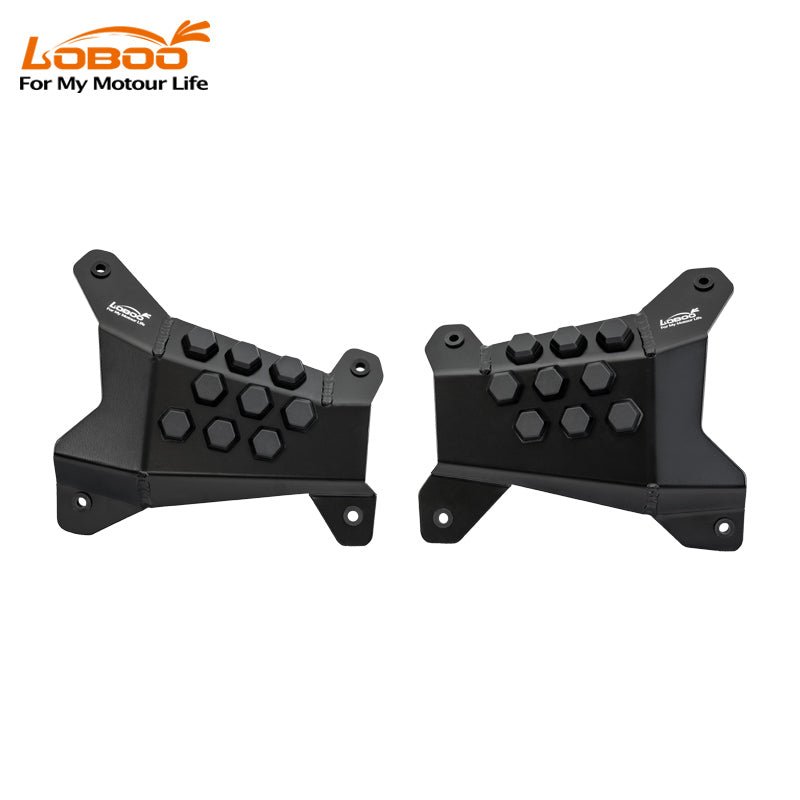
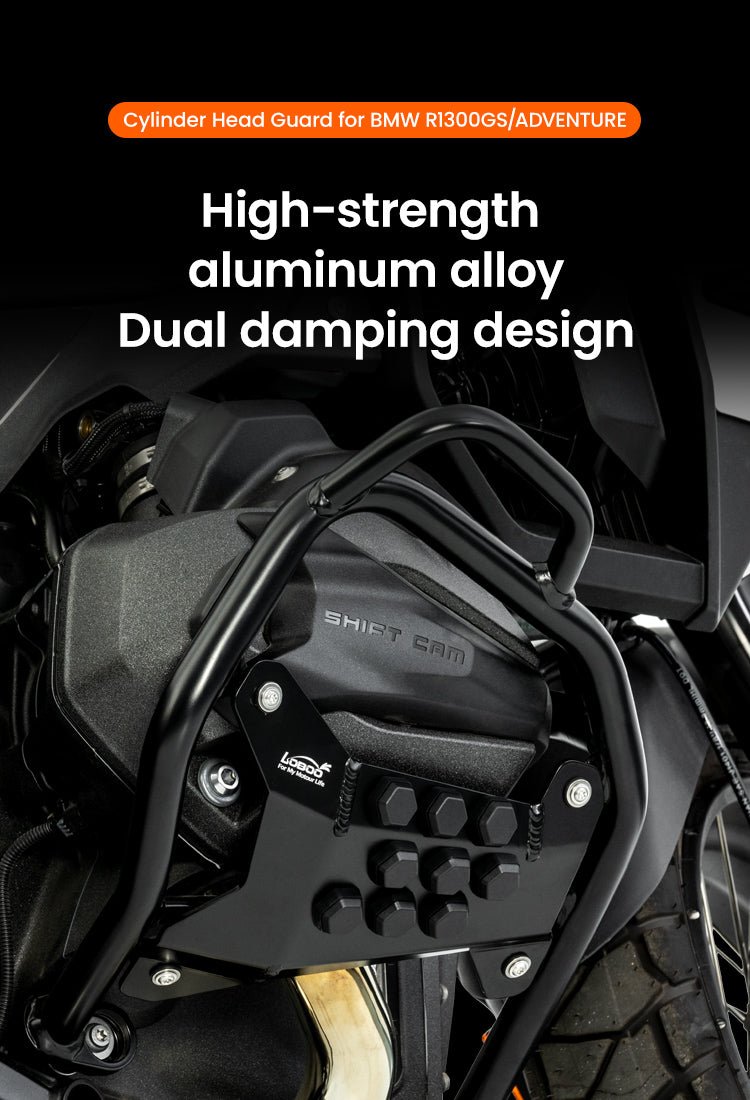
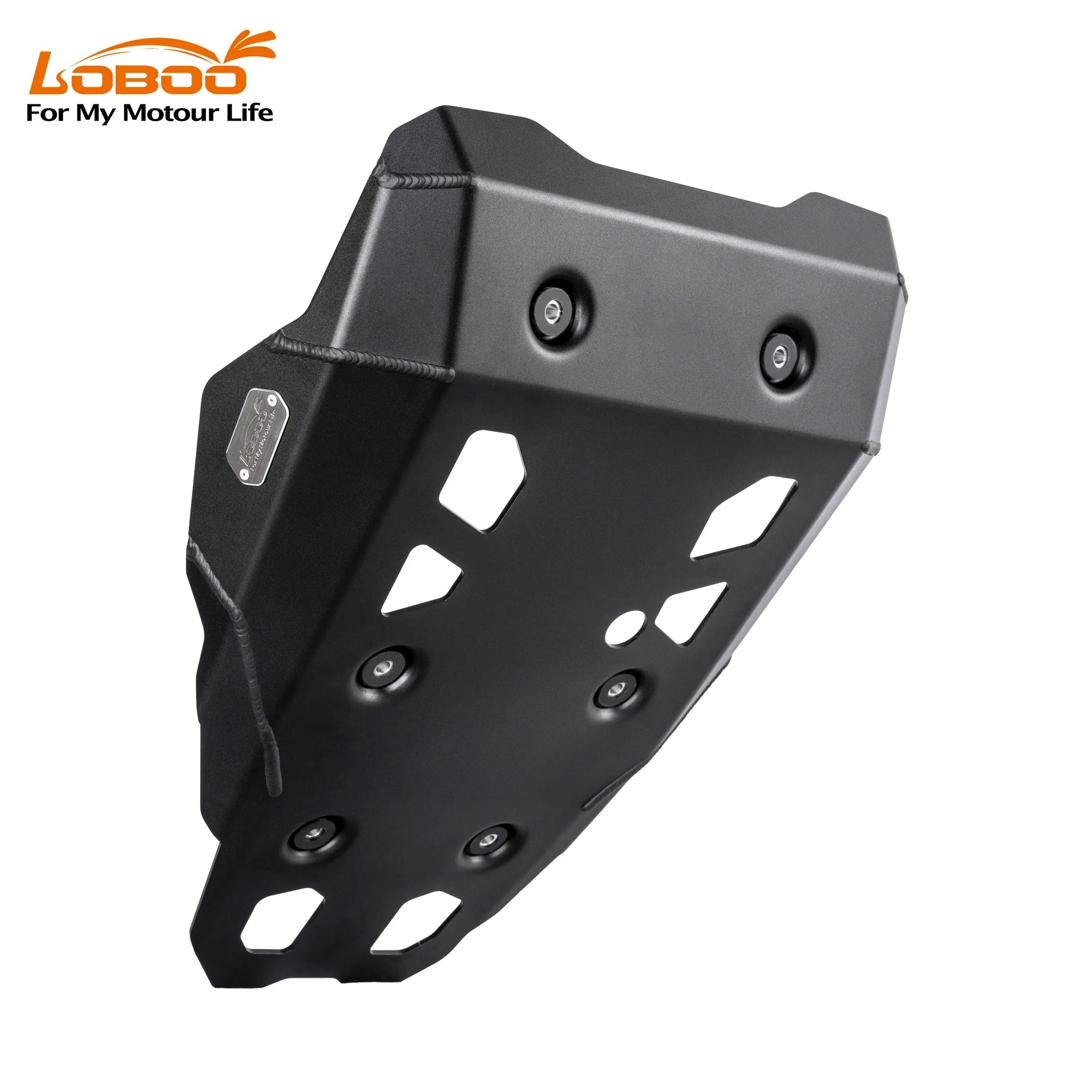
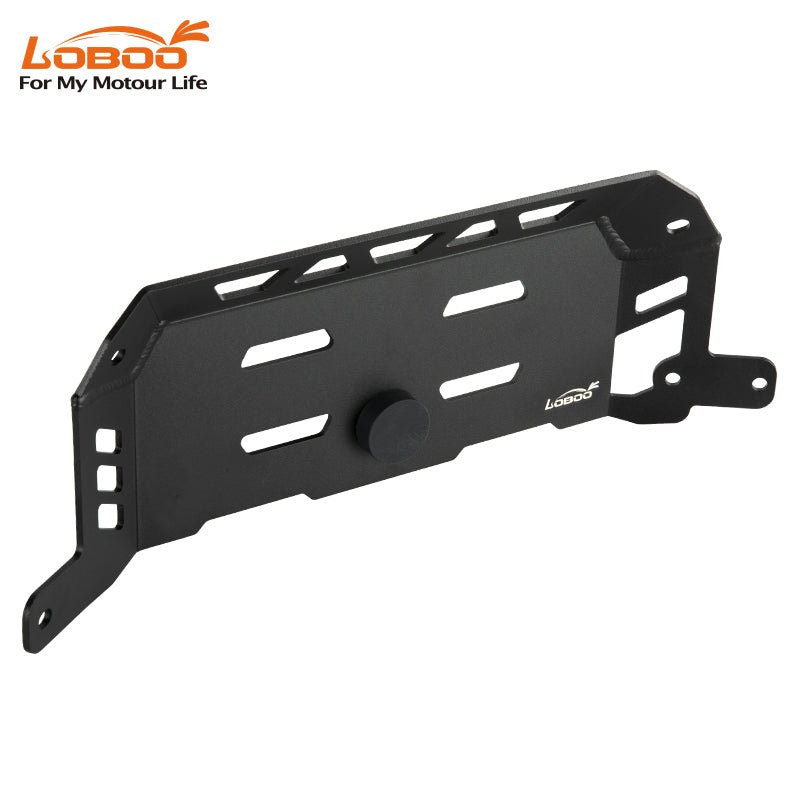
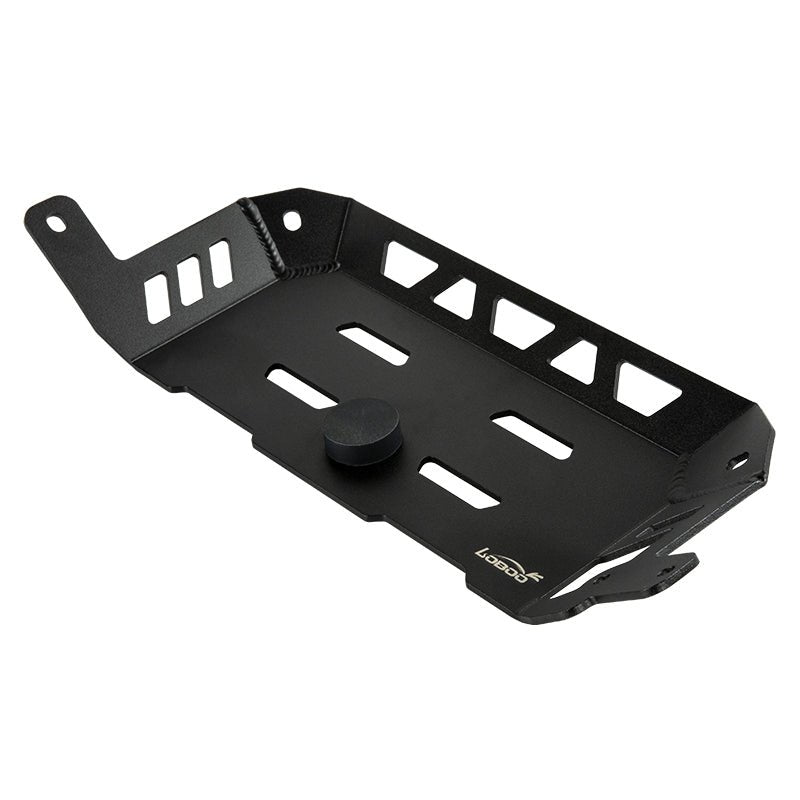
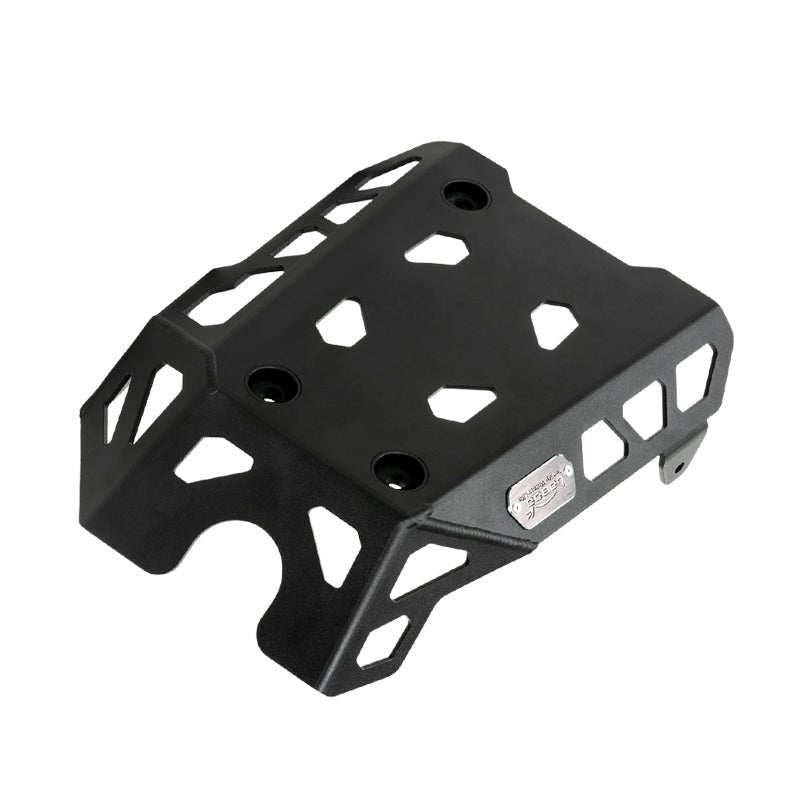
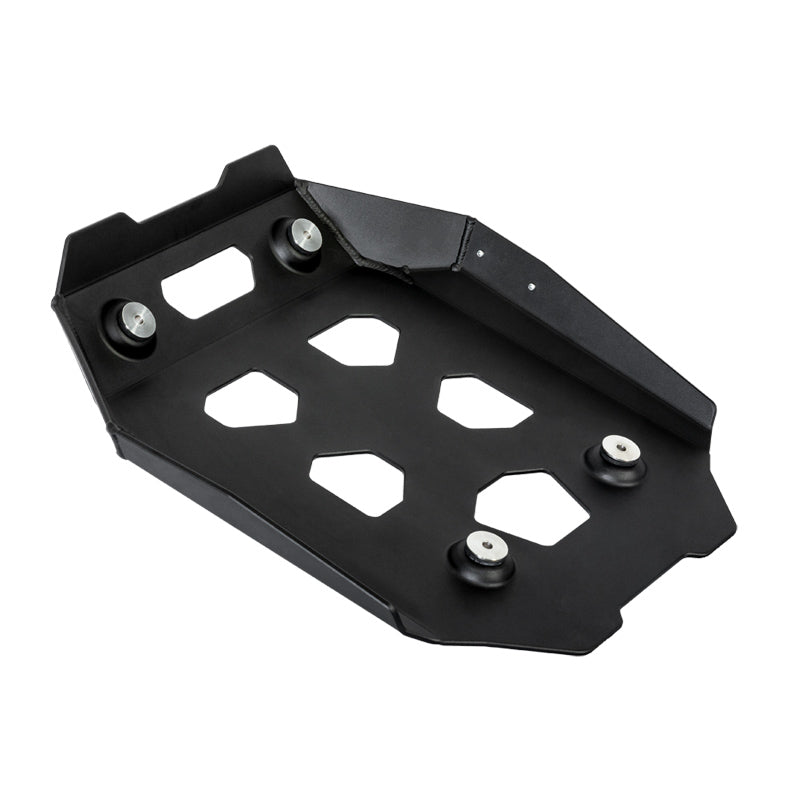
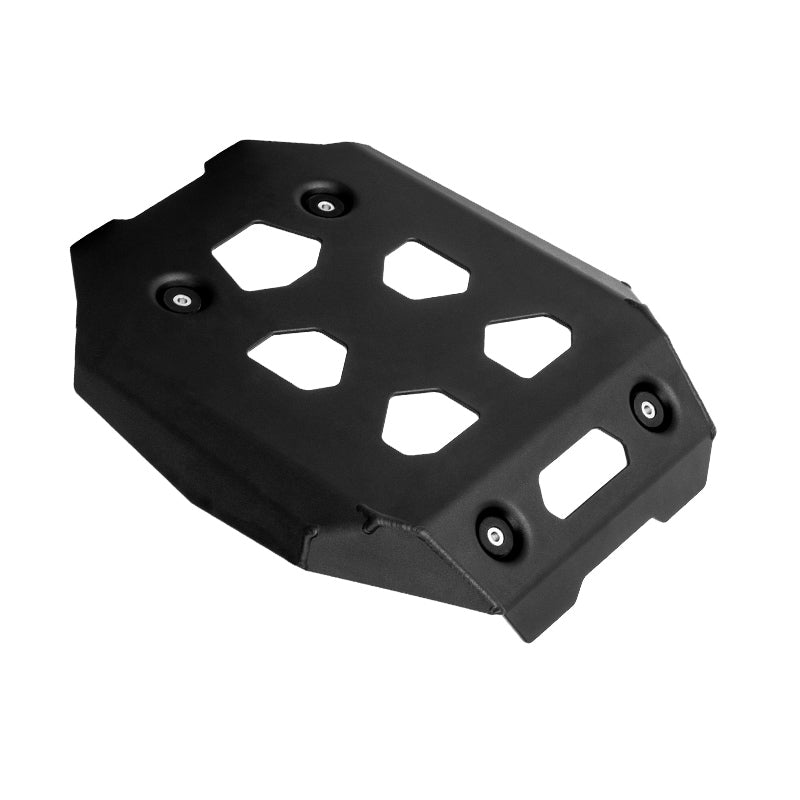
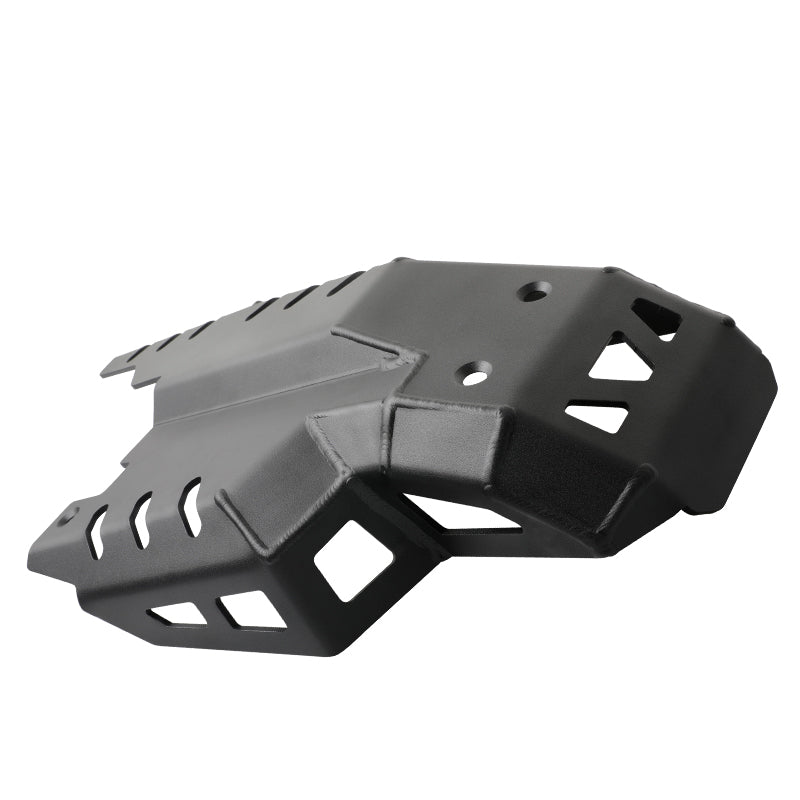
乗り越えるすべての岩が、修理費につながる可能性があります。エンジン下面のオイルパン、エキゾーストヘッダー、フレームスキッドは、トレイル上の異物による直接的な衝撃にさらされています。強い衝撃を一度受けただけで、オイルパンにひびが入ったり、オイルサンプに穴が開いたり、エキゾーストが曲がったりして、その場でツーリングを中断せざるを得なくなることがあります。LOBOOのエンジンガードは、BMW、Honda、KTMのアドベンチャーモーターサイクル向けに精密成形された、厚さ4mmのアルミ製スキッドプレートです。衝撃をエンジンコンポーネントの代わりに受け止めるよう設計されています。
4mm厚が最適な理由
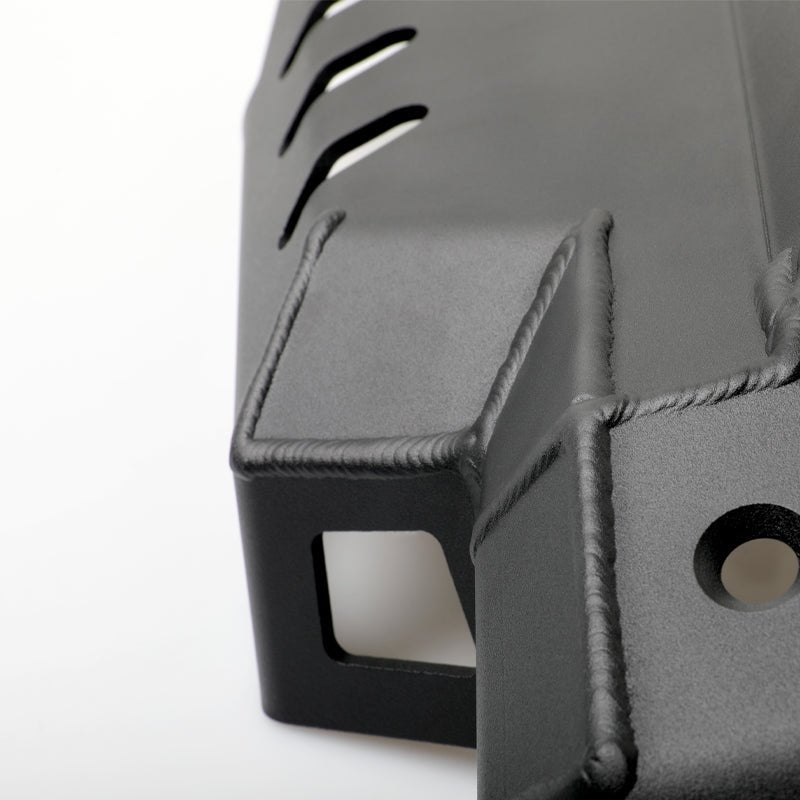
市販のスキッドプレートの多くは3mmアルミ製です。軽いトレイル走行には十分ですが、ADVライディングで実際に遭遇するような岩の直撃には、やや心もとない場合があります。LOBOOは、エンジンガード全製品に4mm厚の高強度アルミ合金を採用しています。この1mmの差が、速いトレイル区間や街中の縁石などで不意に遭遇する岩、木の根、コンクリート製の縁石に対する耐衝撃性を大きく高めます。ワンピース成形構造(衝撃 zone 下に溶接継ぎ目なし)により、力を接合部に集中させず、プレート全体に分散できます。
- 4mm高強度アルミ合金 — 標準的な3mmガードより厚く、岩の直撃に対する耐性に優れています。衝撃 zone に継ぎ目のないワンピース成形デザインです。
- オイルドレン用アクセスホールをあらかじめ確保 — オイルドレンプラグとフィルターに合わせたメンテナンス用開口部により、通常の整備のたびにガードを取り外す必要がありません。走行時間を増やし、工具を使う時間を減らせます。
- 振動を抑えるラバーマウント — ガードとフレームの間に配置したラバーガスケットが伝達振動を低減し、二次衝撃も吸収。長期使用による取り付けボルトの緩みを防ぎます。
- アルマイト表面仕上げ — ブラックまたはシルバーの耐食性アルマイトコーティングを施し、トレイルの泥、水たまり、摩耗にさらされても、剥がれや錆が発生しにくい仕上がりです。
- 車体を傷めないボルトオン取り付け — 純正フレームの取り付けポイントに直接装着できます。穴あけ、溶接、車体構造への恒久的な加工は必要ありません。
エンジンガードとクラッシュバーの違い
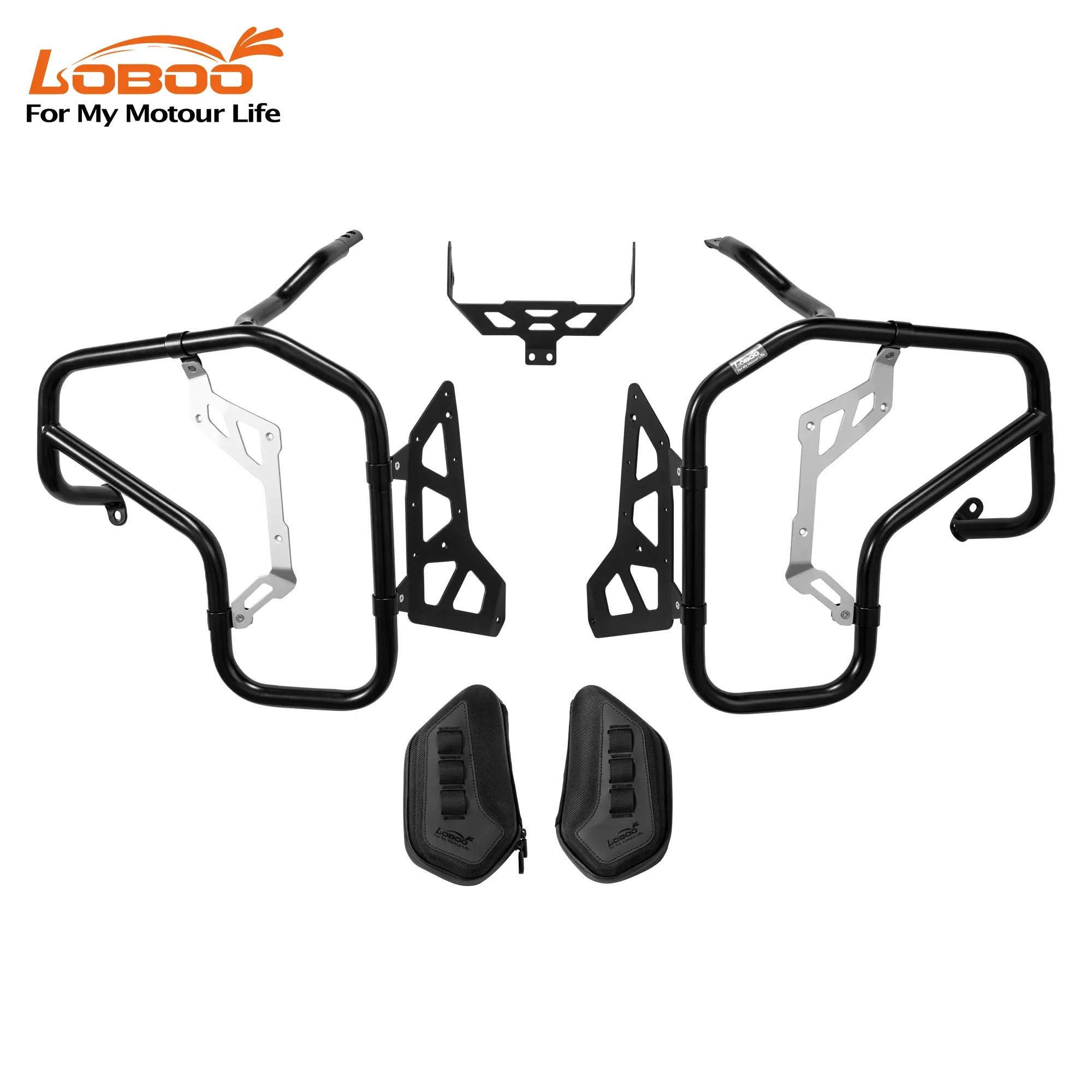
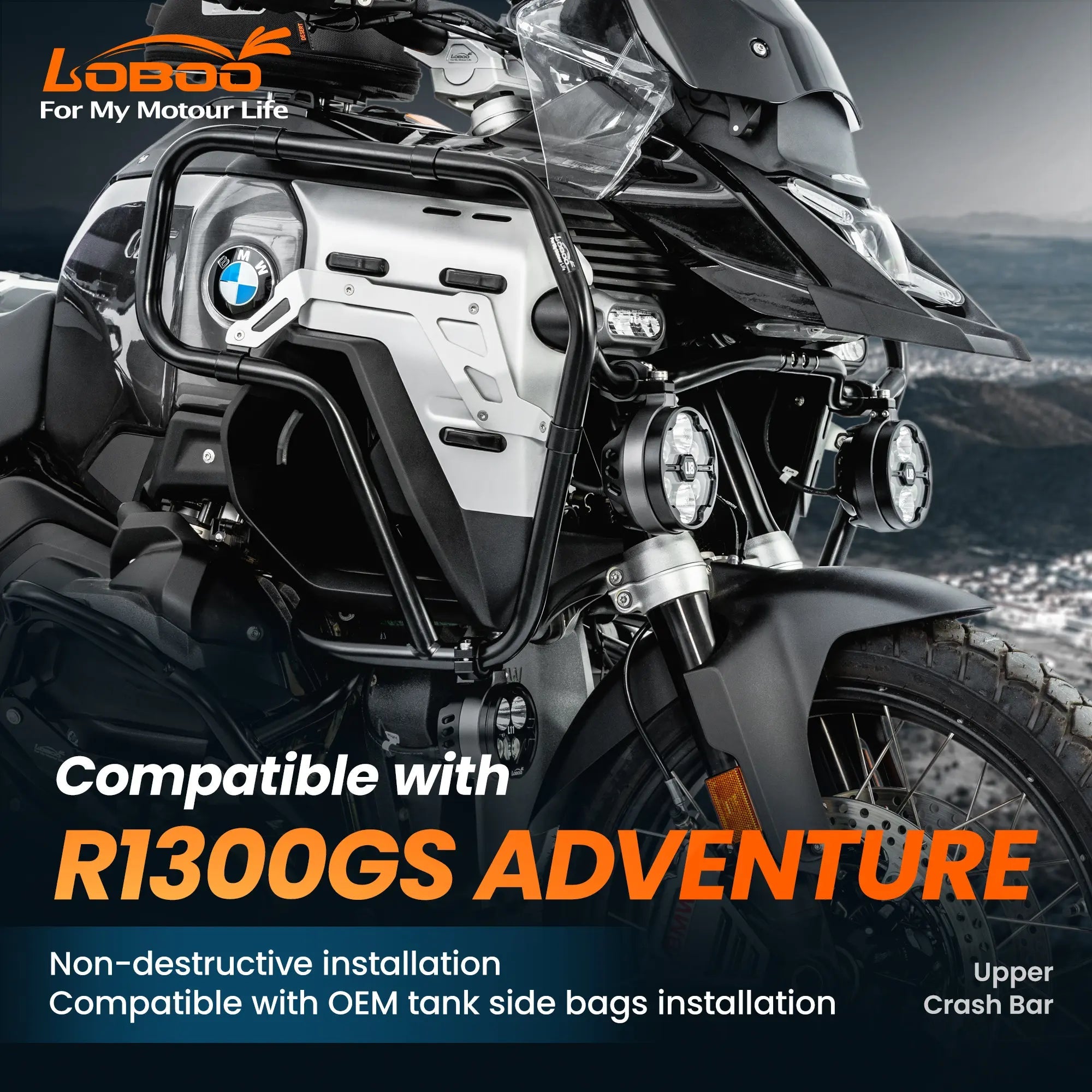
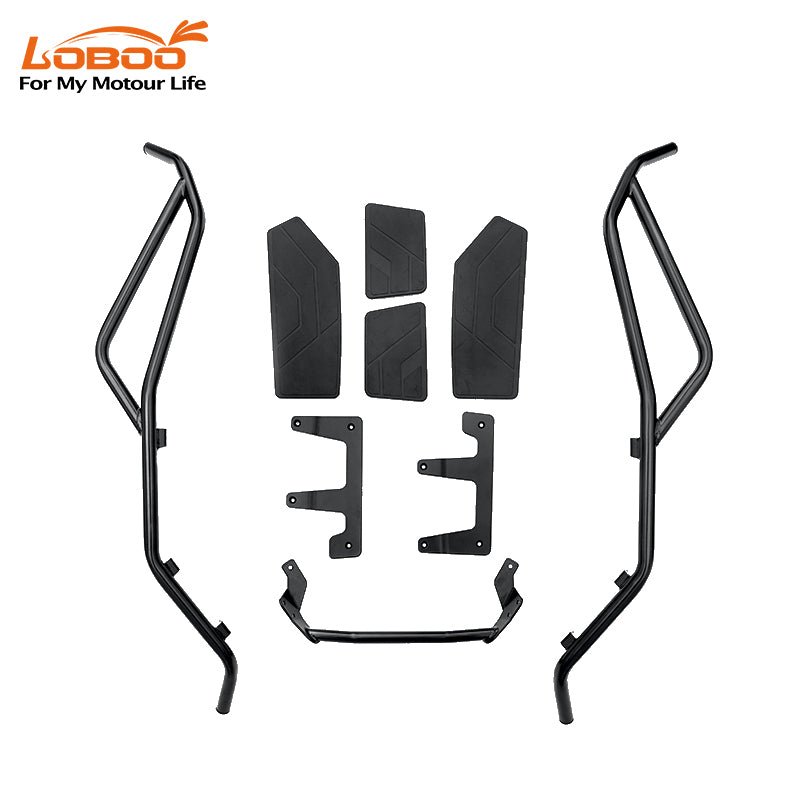
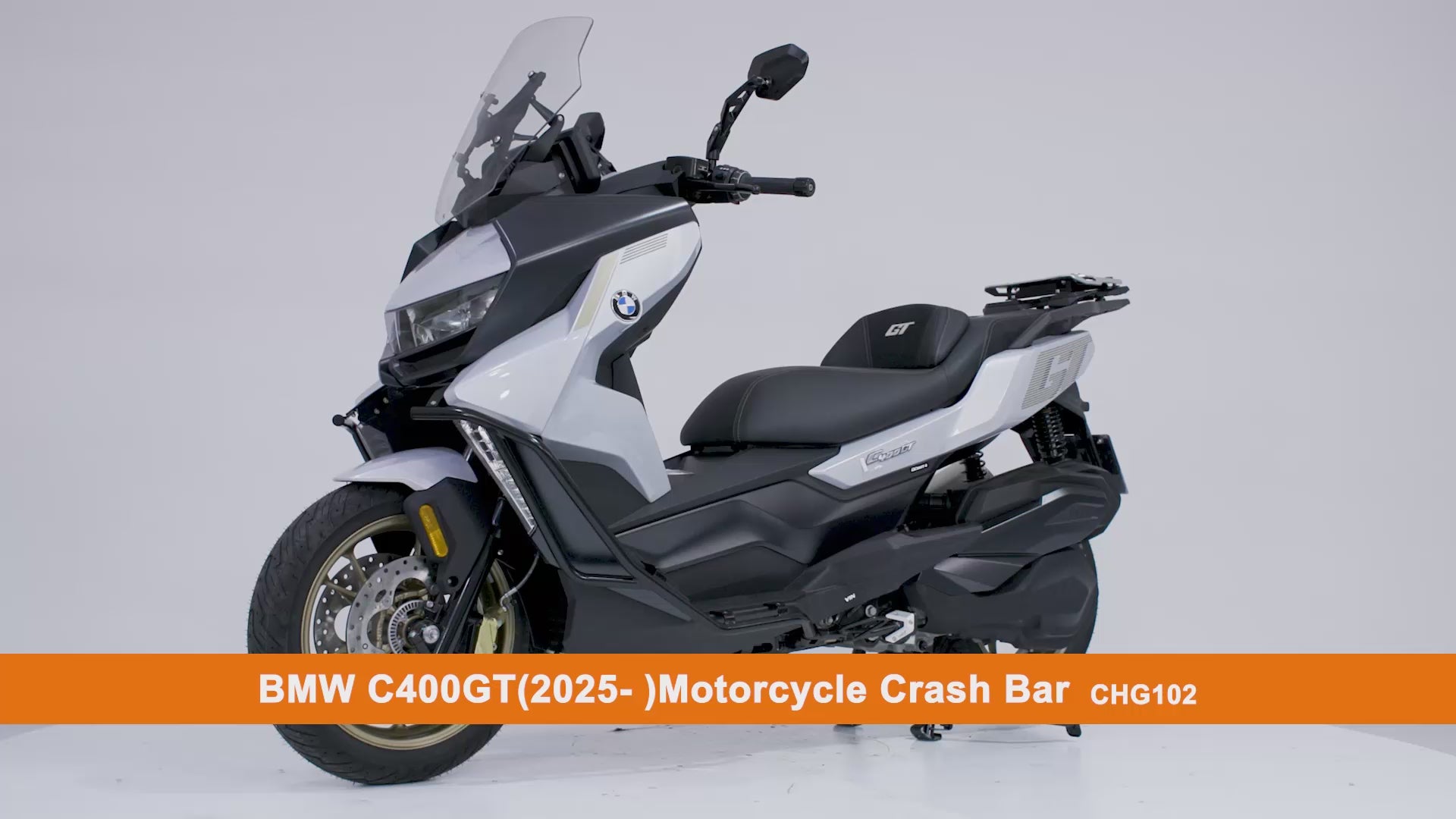
この2つの製品は、異なる脅威から車体の異なる部分を保護します。クラッシュバーは、エンジン側面やカウリングの周囲を覆うスチール製のパイプガードで、転倒時の横方向の衝撃を吸収します。つまり、車体が横倒しになる際の保護に適しています。一方、エンジンガードはエンジン下部に取り付ける平面状のアルミ製スキッドプレートで、乗り越える岩、木の根、異物による下方向および前方向からの衝撃を吸収します。つまり、下から突き上げてくるものからエンジンを保護します。本格的なADVライダーは、転倒対策にクラッシュバー、トレイル上の異物対策にエンジンガードというように、両方を装着します。2つのシステムはそれぞれ独立して取り付けられ、互いに干渉しません。
対応モデル
現在の対応モデルには、BMW R1300GS / R1300GS Adventure(2023年以降)、Honda CB500X(2019年以降)/ NX500 / CB400X、KTM 790/890 Adventureが含まれます。LOBOOは、3mmガードのYamaha XMAX 300にも対応しています。対応状況の詳細は各商品ページでご確認ください。新しい対応モデルは定期的に追加されており、オフロード走行の多いモデルについて、X-Teamのテストデータを基に開発を進めています。
車体下部の保護をさらに充実
エンジンガードは車体下部を保護します。ステンレススチール製クラッシュバーと組み合わせれば、側面と底面を同時にカバーする、全周囲の保護を実現できます。夕暮れ時にテクニカルセクションを走行する際の視認性を高めるなら、LED補助ライトを追加しましょう。さらに、あらゆる接地点で安心感が求められるトレイルでは、ワイドフットペグとキックスタンドエクステンションを加えることで、機能的なADV仕様が完成します。